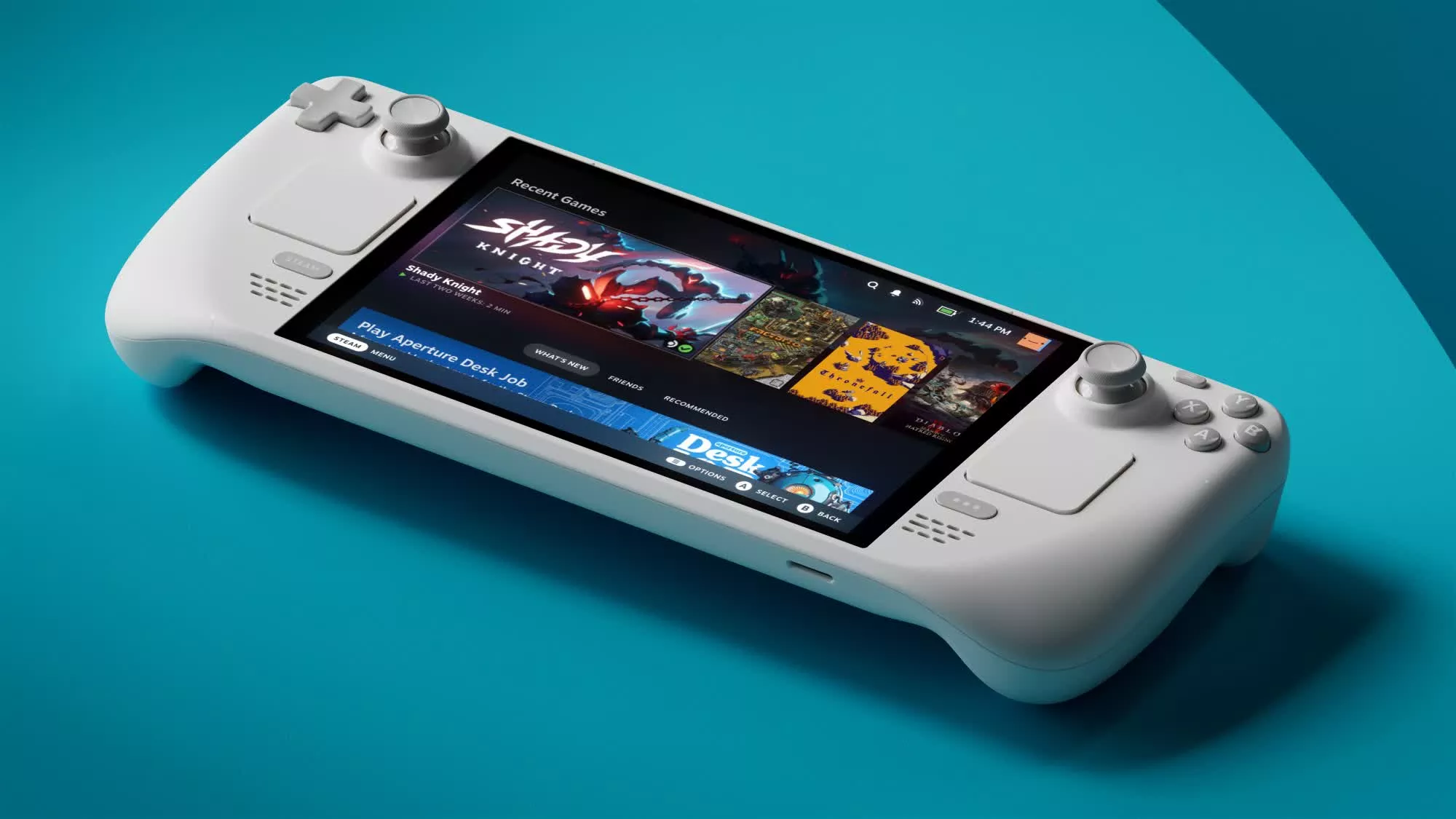
New reporting suggests Valve may be seeing exactly what many handheld PC fans have long suspected: a higher-priced Steam Deck is much harder to sell. According to data highlighted in a Boiling Steam report, sales appear to weaken significantly when the device becomes more expensive, raising fresh questions about how sensitive buyers are to Steam Deck pricing.
The issue is not unique to Valve. As with other hardware makers relying on off-the-shelf components, the company has to balance manufacturing costs, margins, and consumer demand. That creates difficult pricing decisions, especially for a product that competes on value as much as performance.
The latest figures, as described by the report, point to a simple pattern: when the Steam Deck costs more, interest drops. For a device that built much of its reputation on offering portable PC gaming at an appealing price, even a modest shift upward can make the overall package less compelling for potential buyers.
If that reading is correct, the data reinforces how important price remains in the handheld gaming market. Valve may have strong brand recognition and a loyal enthusiast base, but the Steam Deck still appears to depend heavily on staying within the price range that made it attractive in the first place.