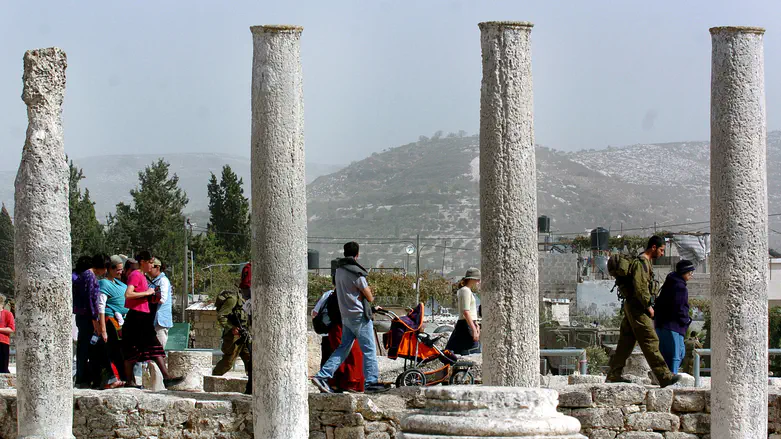
Israel sharply criticized UNESCO after the agency recognized Sebastia, an ancient biblical site in Samaria, as an endangered Palestinian World Heritage Site. The move triggered a strong response from Israel, which argued that the designation distorts the historical record surrounding the town.
At the center of the dispute is Sebastia’s significance as a biblical and ancient heritage location. Israeli officials said the decision amounts to rewriting history by assigning the site a political identity that, in their view, ignores the deep historical connection of the Jewish people to the area.
The condemnation reflects a broader pattern of tension between Israel and UNESCO over heritage decisions involving contested places. For Israel, the issue is not only about preservation of archaeology and culture, but also about who has the authority to define the historical narrative of sites tied to religion, identity and national memory.
The latest clash over Sebastia shows how heritage rulings can quickly become diplomatic flashpoints. By linking an ancient Samaria site to a Palestinian heritage designation and endangered status, UNESCO has once again found itself at the center of a wider argument over history, legitimacy and the meaning of sacred and archaeological landmarks.