A commentary on the Venice Art Biennale argues that this year's event cannot be viewed only as an international art showcase. Instead, it presents the biennial as a cultural space shaped by the politics around Israel and Palestine, with the writer questioning whether attendance itself risks overlooking what they describe as a wider moral and political crisis.
The piece centers on the idea of artwashing, or the use of major cultural events to soften the image of governments and institutions during periods of violence or repression. In that reading, the Venice Biennale becomes more than a venue for contemporary art: it is also a place where visitors are pushed to confront the political context around national representation, official support and curatorial choices.
A major thread in the article is criticism of Italy's political stance, especially what the author sees as a double standard between its treatment of Russia and its relationship with Israel. That contrast is presented as impossible to ignore when considering the role of the Italian Ministry of Culture and the broader government in shaping the atmosphere around the event.
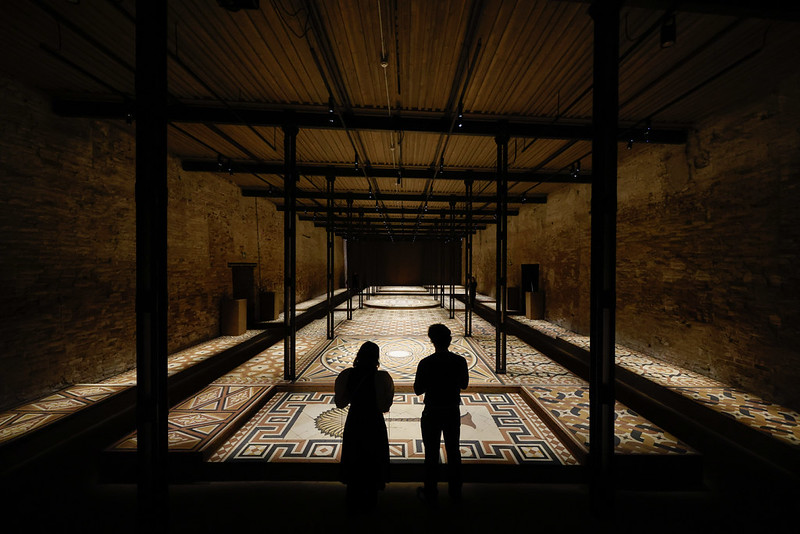
Even so, the article suggests the biennial's curation quietly resists any attempt to fully separate art from current events. In this interpretation, the Venice Art Biennale functions as an implicit critique of Israel's actions in Palestine and of the cultural systems that can normalize them, making the political dimension of the exhibition difficult to avoid.