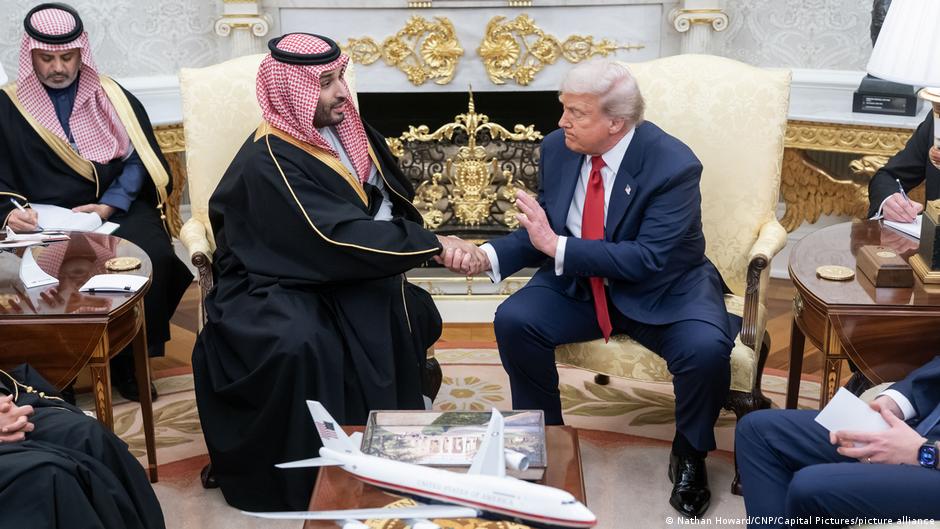
A proposed US-Saudi nuclear agreement is drawing renewed attention because of its potential effect on Middle East security and on tensions involving Iran. The reported arrangement would allow Saudi Arabia to build a civilian nuclear program, but the political fallout appears to be growing as questions remain about what Washington is actually prepared to approve.
Critics argue that any deal giving Riyadh a path to nuclear technology could raise the risk of a broader arms race in the region. Their concern is not only about Saudi Arabia itself, but also about how rival states might respond if they believe the regional balance is shifting in a major way.
The issue is also creating unease among US partners. According to the report, allies such as Israel and the United Arab Emirates are not pleased with the direction of the discussions, reflecting wider fears that a new arrangement could complicate existing security calculations across the Middle East.
At the same time, the policy outlook remains uncertain. New comments from US President Donald Trump have added to doubts over whether the administration is standing firmly behind the deal or already softening its position. That uncertainty makes it difficult to judge how far the agreement will go, but it has already intensified debate over nuclear proliferation, regional stability and the impact on any future US-Iran confrontation.