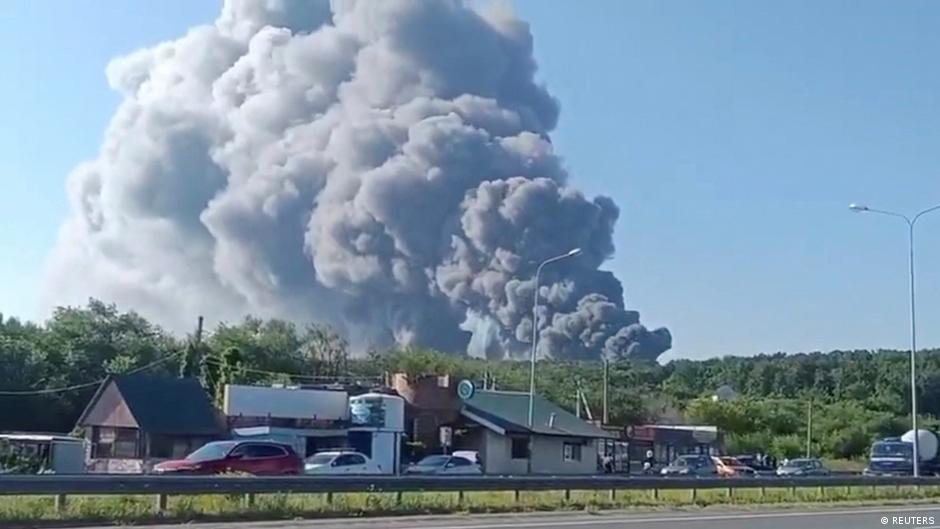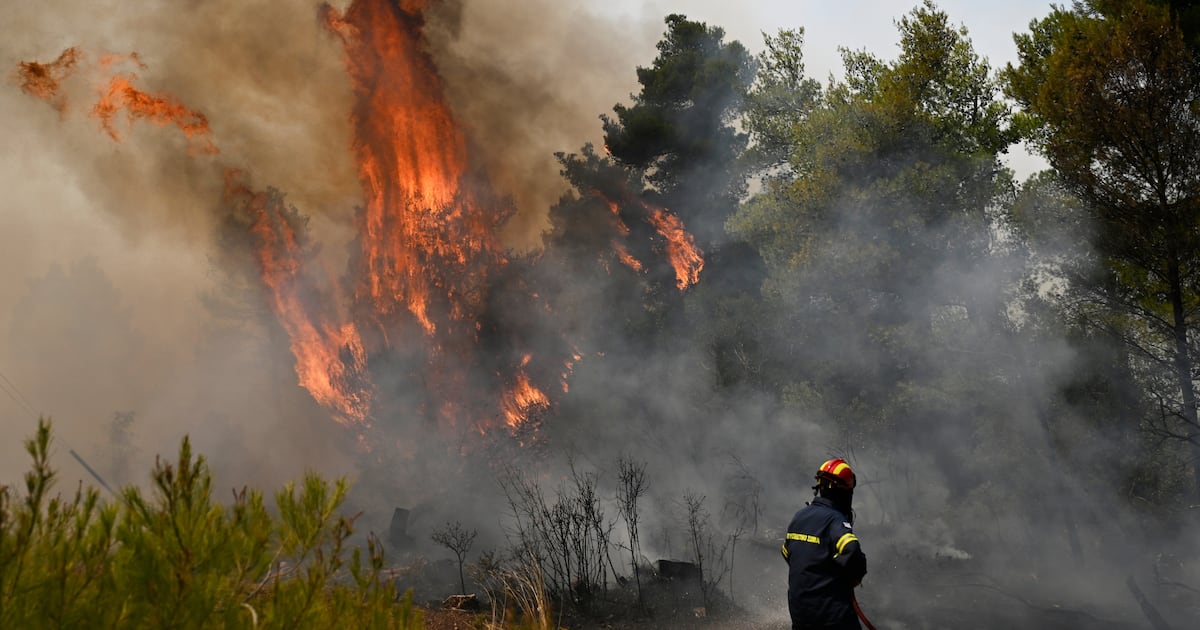
The conflict between the United States and Iran deepened after Washington expanded its military campaign, striking sites farther north inside Iran. The latest escalation followed the collapse of an interim ceasefire, setting off a renewed cycle of attacks and counterattacks across the region.
Iran responded by launching missiles and drones at US allies, underscoring how quickly the fighting has spread beyond direct exchanges between the two countries. Tehran also signaled that the Strait of Hormuz remains a red line, raising concern over a wider confrontation in one of the world’s most sensitive energy corridors.
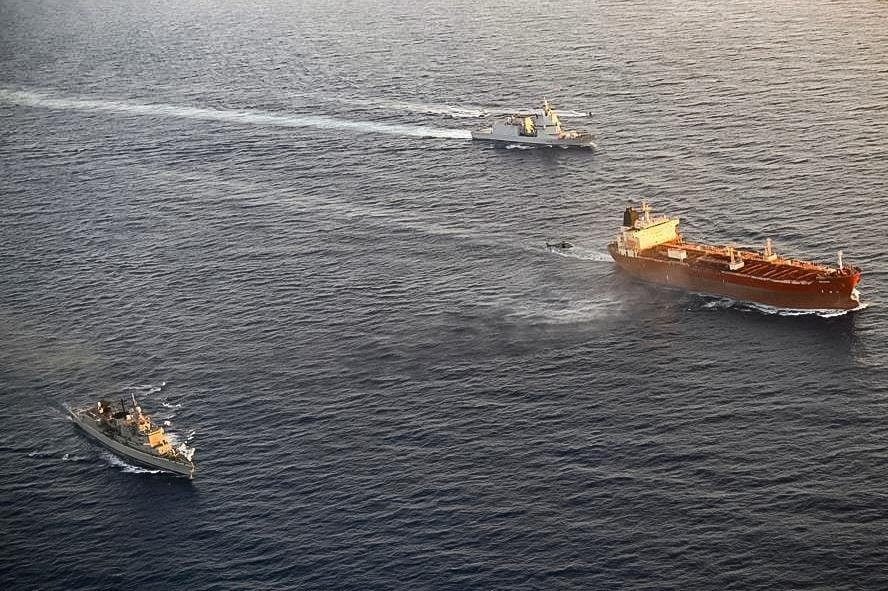
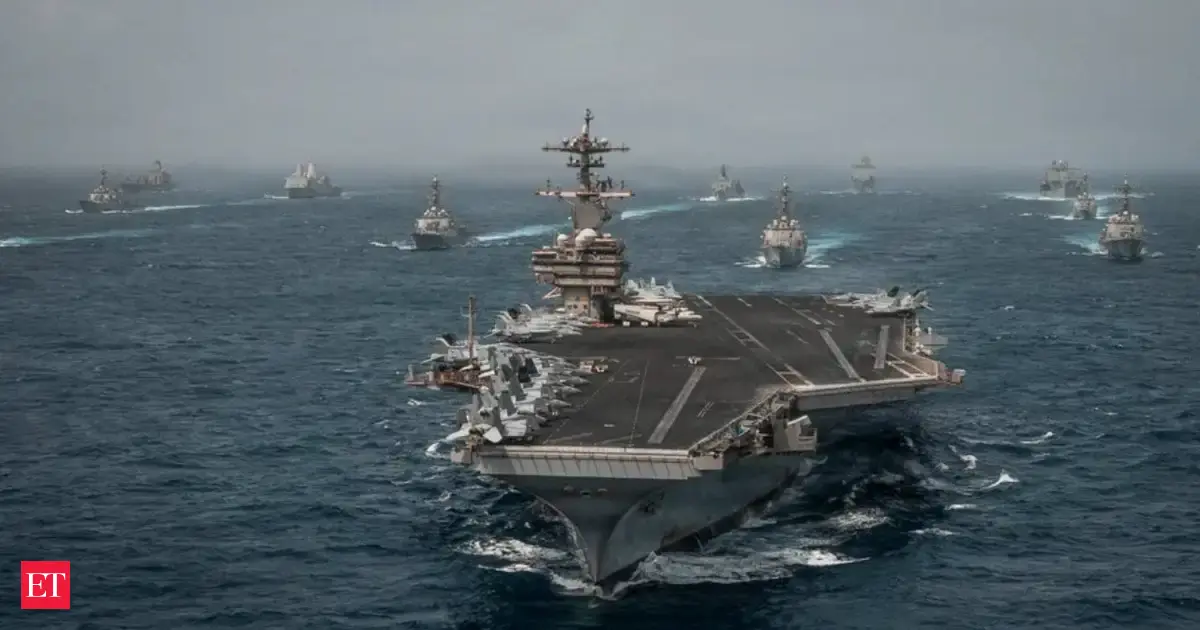
According to the available report, US forces also fired on a ship that American officials said was trying to violate a naval blockade. That development added a maritime dimension to the crisis, which is now unfolding both on land and at sea as military pressure mounts.
With the ceasefire no longer holding, the region faces several days of intensified uncertainty. The broader picture is one of a fast-moving conflict in which each new strike risks provoking another, while tensions around shipping lanes and allied targets continue to increase.