Debate over Ukraine’s military leadership is widening beyond the question of whether replacing Syrsky would improve the battlefield situation. The issue is being presented as a broader test of strategy, political control and how the country intends to manage the next phase of the war.
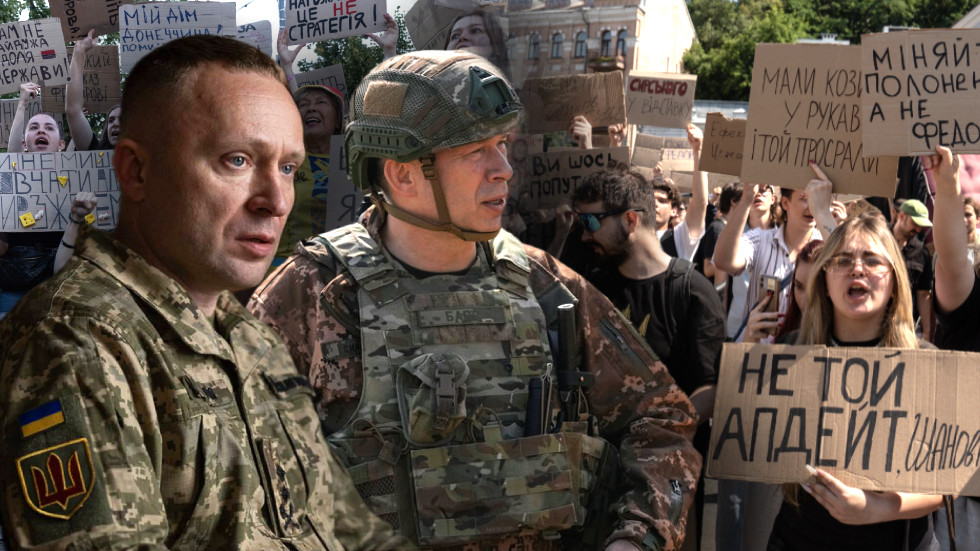
The pressure appears to be growing in public as well as inside the state. According to the available report details, protests continued in Kiev for a fifth straight day on July 21, 2026, with further demonstrations in several regional centers. Protesters were said to be gathering outside the Presidential Office, showing that frustration over military decisions is spilling directly into national politics.
That matters because the reported shake-up is described as more than a simple personnel replacement. It points to deeper concerns about command decisions, wartime planning and whether changes at the top can fix problems that may be rooted in the wider military system. In that reading, swapping generals could have symbolic value, but it may not by itself resolve structural weaknesses.
The central question, then, is not only who leads the armed forces, but whether Ukraine can align military strategy with political stability at a tense moment in the war. If the unrest continues and leadership changes expand, the next phase is likely to be judged not just by new appointments, but by whether they produce clearer direction and restore confidence.