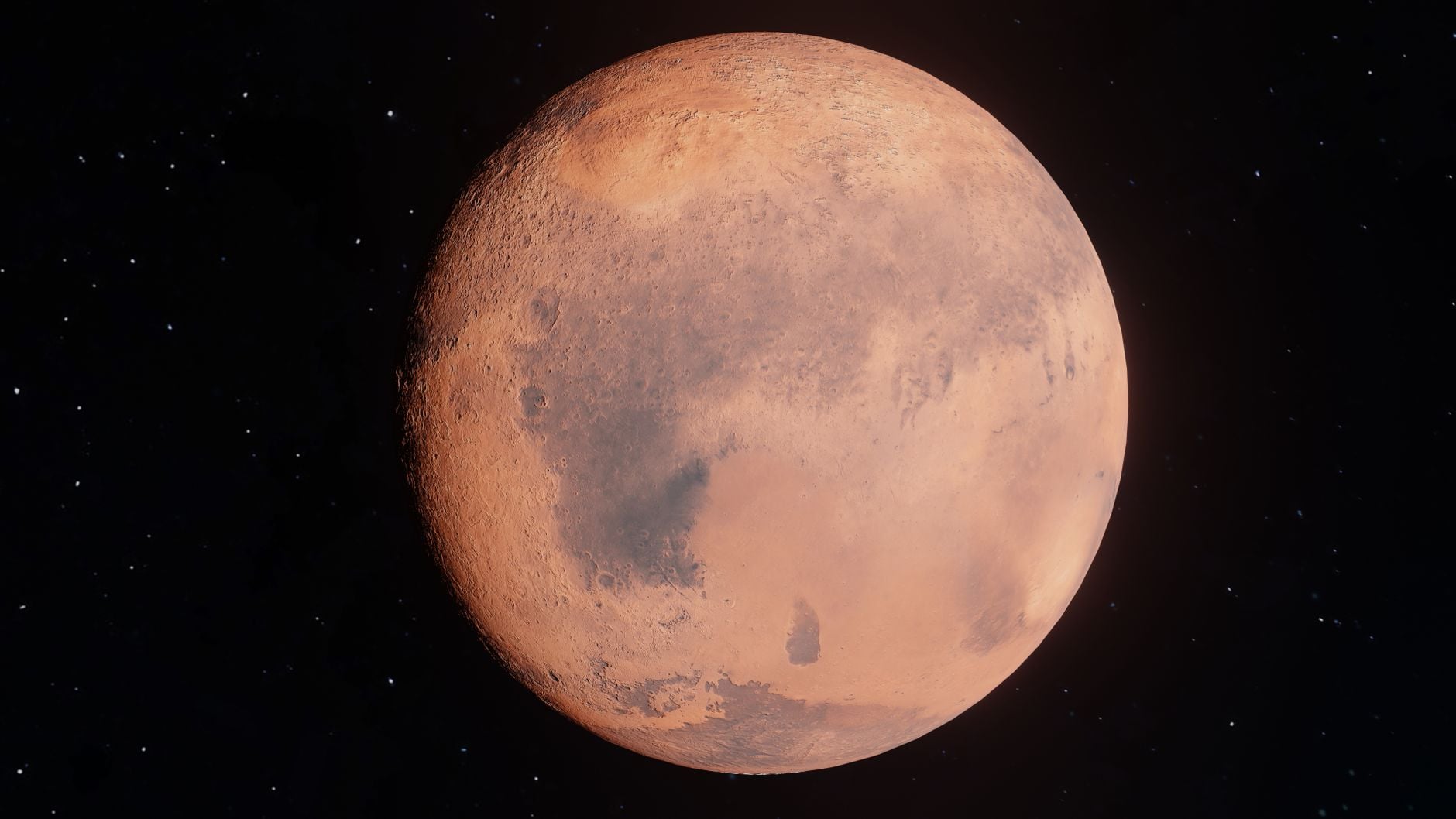
Scientists studying Mars are raising a basic problem in the search for life: the areas that are easiest to access may be the least likely places to find living organisms or well-preserved evidence of past life. As the planet lost much of its atmosphere billions of years ago, conditions at the surface became colder, drier and more exposed to radiation.
That shift would have made survival increasingly difficult above ground. If microbial life ever persisted on Mars after those major climate changes, the most favorable environments may have moved underground, where rock and soil could offer protection from radiation and help retain more stable conditions.
The challenge is that these possible refuges may sit far deeper than current missions can easily reach. The snippet suggests that Mars geology creates a built-in mismatch between accessibility and habitability: shallow material is available to rovers and landers, but deeper layers may be much better at preserving signs of life or sustaining it.
This means the current search for Martian life may be focused on the wrong depths rather than entirely the wrong planet. Future exploration may need to place more emphasis on subsurface environments if researchers want a better chance of finding whether anything on Mars endured after the surface became so hostile.