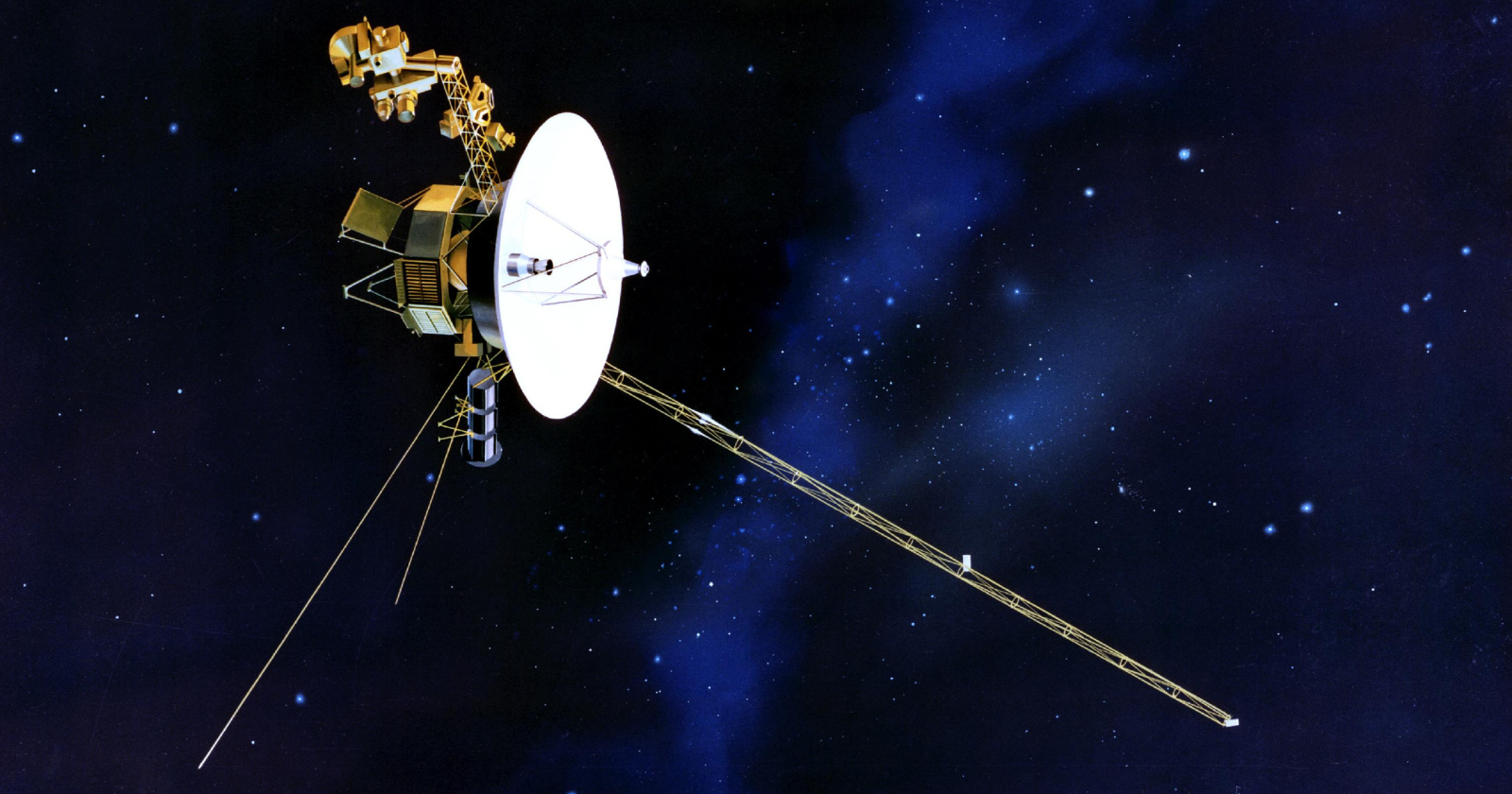
Voyager 1 is still sending back science from interstellar space even though its onboard computing hardware dates to the 1970s. Nearly 50 years after launch, the spacecraft remains a striking example of how durability, focused design and careful mission management can matter more than raw processing power in deep space.
A key point in the story is what “beyond the Sun’s reach” really means. NASA says Voyager 1 entered interstellar space in 2012, which refers to crossing beyond the Sun’s outer protective region rather than escaping every form of solar influence. In other words, the probe moved into the space between stars while still operating in a realm where the Sun is not entirely irrelevant.
The reason Voyager 1 can still return data is not that it is powerful by modern standards, but that it was built for a limited set of tasks and engineered to keep performing them for as long as possible. Simpler systems, slow but dependable communications and constant adjustments by mission teams have helped the spacecraft keep its instruments working long after its original mission era.
That longevity also raises a broader engineering question. Modern devices are vastly faster, but they are often more complex and less obviously built for extreme long-term survival. Voyager 1’s continued science return suggests that for missions operating at the edge of interstellar space, resilience and efficiency can be just as important as speed.