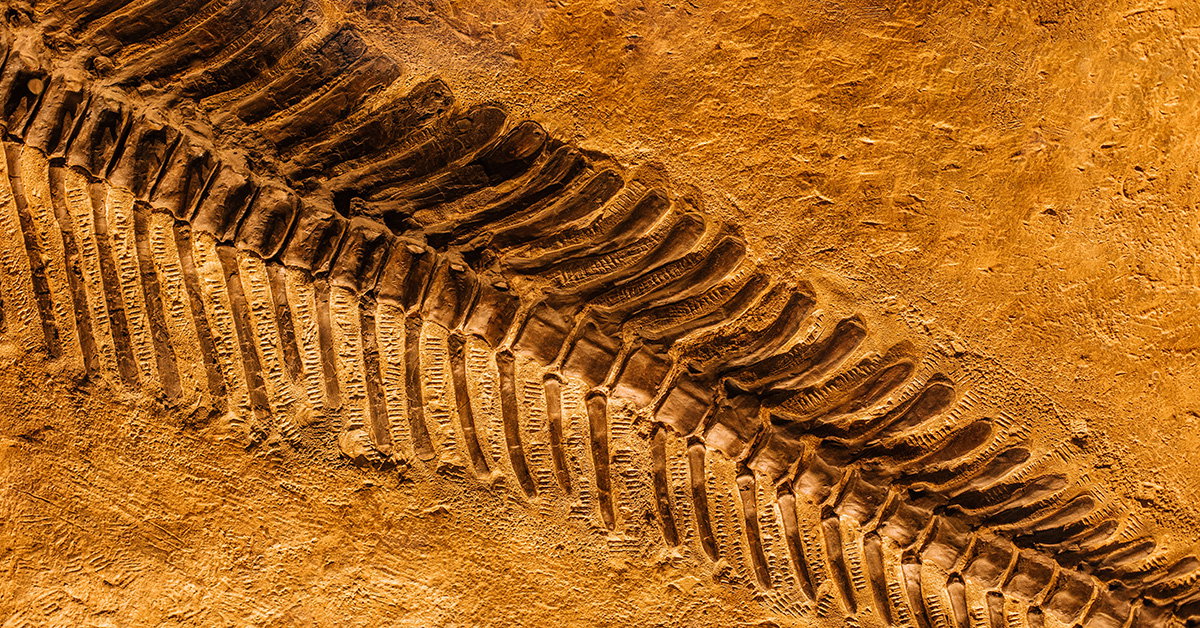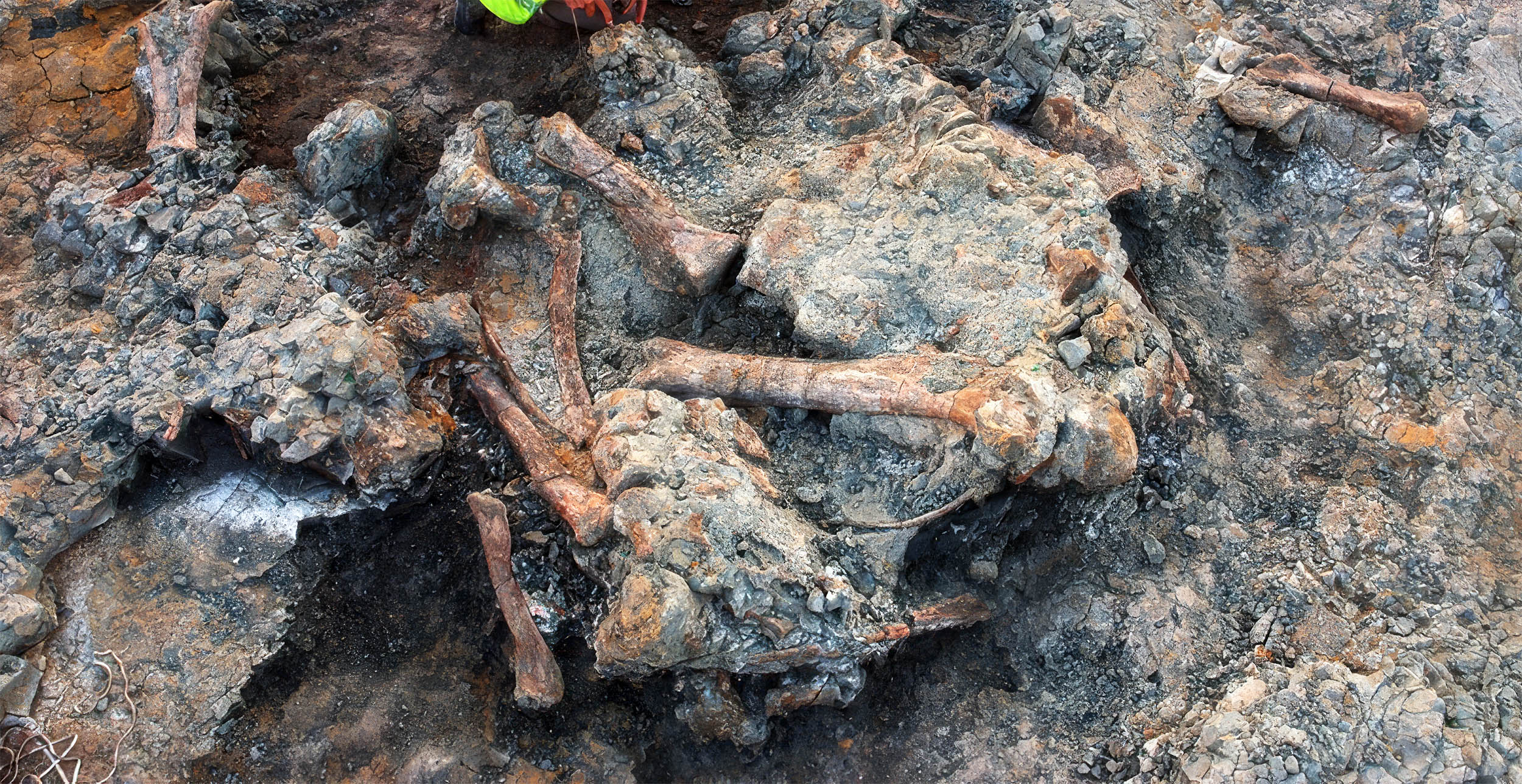
A new study points to an unusual clue in titanosaur fossils from central Spain: beetle-made holes in bones and armor plating. The finding suggests these giant dinosaurs were not buried soon after death, but instead remained out in the open long enough for insects to feed on the remains.
Researchers identified borings linked to specialized beetles in fossils dated to about 70 million years ago. Because those insects would have needed access to exposed tissue and bone, the damage offers a direct sign that the carcasses stayed on the surface for a significant period.
That idea challenges a long-standing view that titanosaur bodies in this setting were rapidly covered by sediment. Instead, the new evidence supports a post-death process in which the animals decomposed in the open before their bones and armor were eventually preserved.
The study adds another layer to how scientists reconstruct ancient ecosystems. Tiny traces left by insects can reveal not just which animals lived in a place, but also what happened to massive dinosaur bodies in the days and weeks after they died.