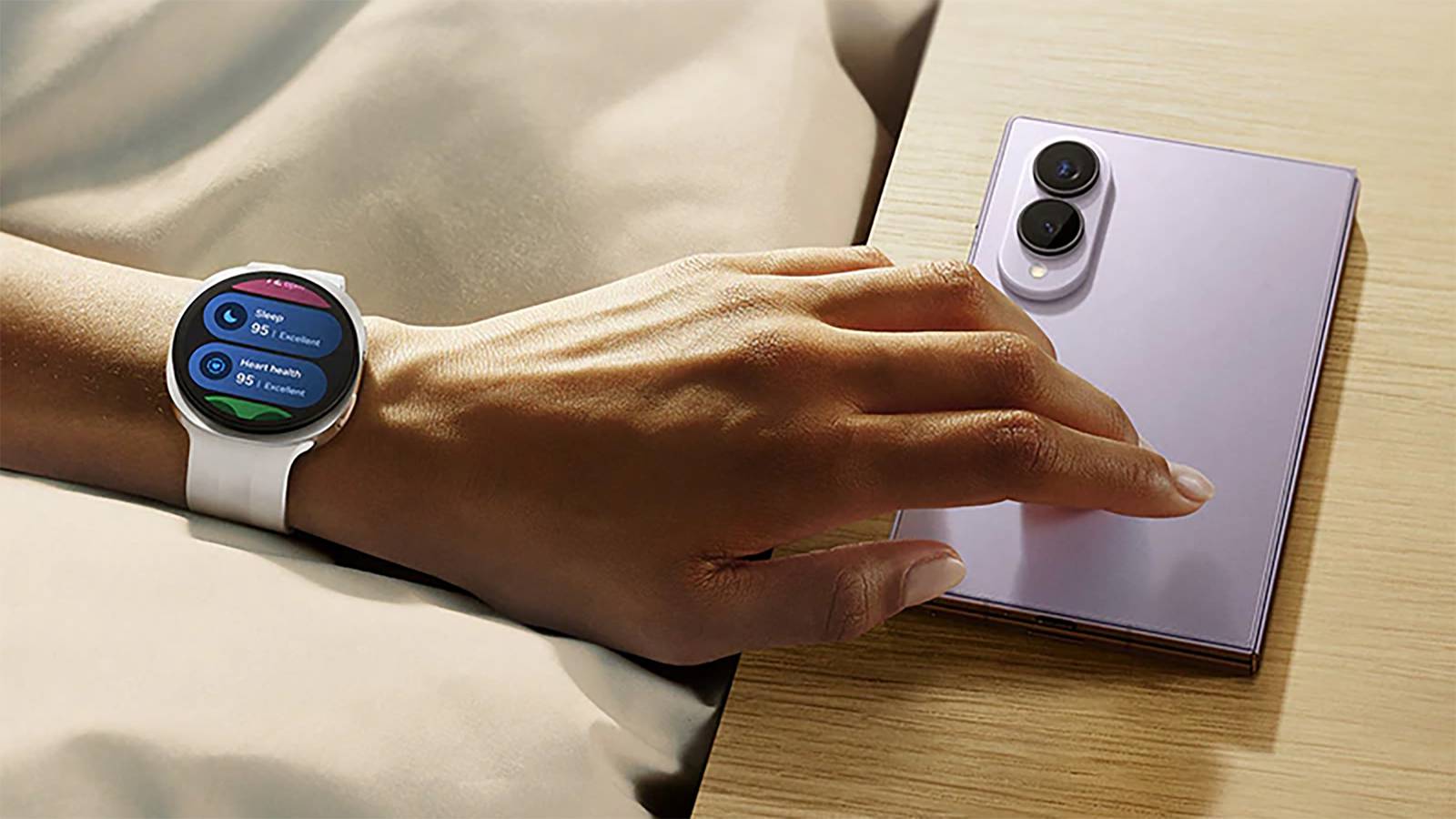
Samsung used its latest Galaxy Unpacked event to introduce the Galaxy Watch 9, and the message was clear: health tracking remains the center of its wearable strategy. The presentation reportedly leaned so heavily into wellness features that the watch was framed less as a general-purpose gadget and more as a health device worn on the wrist.
That focus shows Samsung is still betting on the traditional smartwatch format, even as interest grows in simpler, screenless trackers. Devices in that category are gaining attention by emphasizing passive monitoring, longer battery life, and fewer distractions, which has created a different kind of competition in the wearables market.
The criticism behind the Galaxy Watch 9 discussion is not necessarily that Samsung ignored health features, but that it may be pushing deeper into a category that some consumers are starting to view differently. While smartwatches still offer broad functionality, the current trend suggests some users increasingly prefer lightweight trackers that stay out of the way while still collecting wellness data.
In that context, the Galaxy Watch 9 feels like Samsung reinforcing its existing playbook rather than redefining it. By doubling down on smartwatch-based health tracking at Galaxy Unpacked, the company signaled confidence in the form factor, even as screenless alternatives continue to reshape the conversation around what people want from wearable tech.