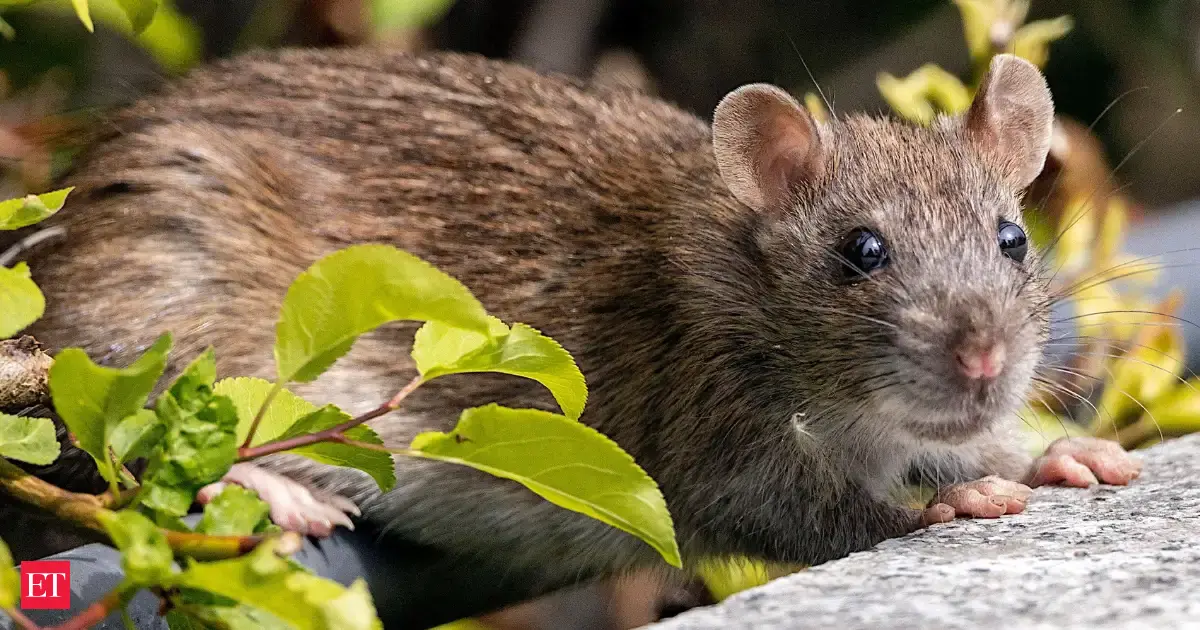
South Georgia, a remote island in the South Atlantic about 800 miles from the nearest town, has become a major example of large-scale rat eradication. For roughly two centuries, rats were established across the island, but by 2018 they had been eliminated after a long-running campaign.
The operation relied on helicopters to distribute poisoned bait over South Georgia’s rugged landscape. According to the report, more than 300 tons of poison were used across several years as teams worked to reach wide stretches of the island.
Monitoring later confirmed the result: no rodents were detected, and more than 100,000 hectares were declared rodent-free by 2018. That verification was a crucial part of the project, showing the eradication effort had succeeded rather than only reducing rat numbers temporarily.
The scale, isolation and terrain of South Georgia made the campaign especially challenging. Its success stands out as a significant conservation achievement on one of the world’s most remote islands.