Spain may have lifted the World Cup trophy, but the bigger commercial story was how much business the event generated across digital platforms. The report frames the tournament as a second kind of final, one where apps and online services captured attention, sleep, snack money and plenty of impulse spending.
According to Uber data shared with PYMNTS, fans were willing to travel unusually long distances to be part of the moment. One trip stretched 266 miles from Arlington to Houston, underscoring how major sports events can turn convenience platforms into a key part of the live experience.
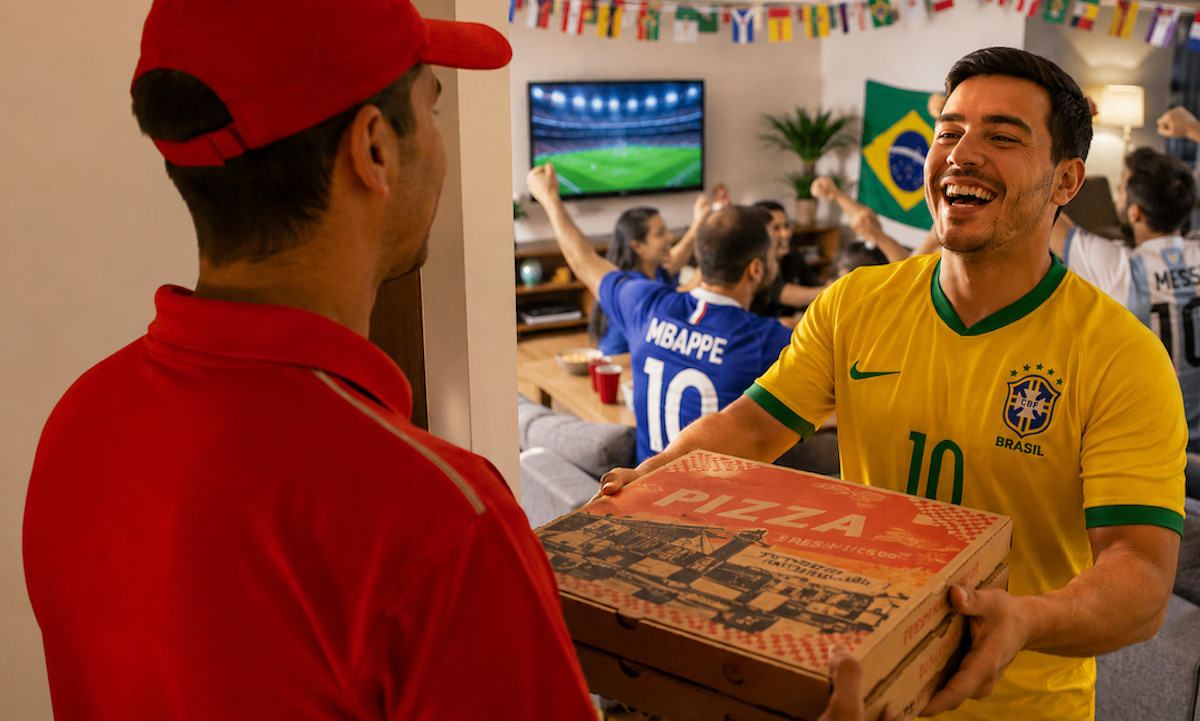
The same pattern extended beyond transportation. With pizzas, snacks and fast purchases tied to match watching, the World Cup appears to have driven extra activity for delivery services and other app-based transactions. In that sense, the tournament was not just a sports spectacle but also a burst of real-time digital commerce.
The broader takeaway is that global events now generate parallel wins for the platform economy. While Spain took the title on the field, companies built around rides, food and instant checkout benefited from fans eager to spend more money and save more time.