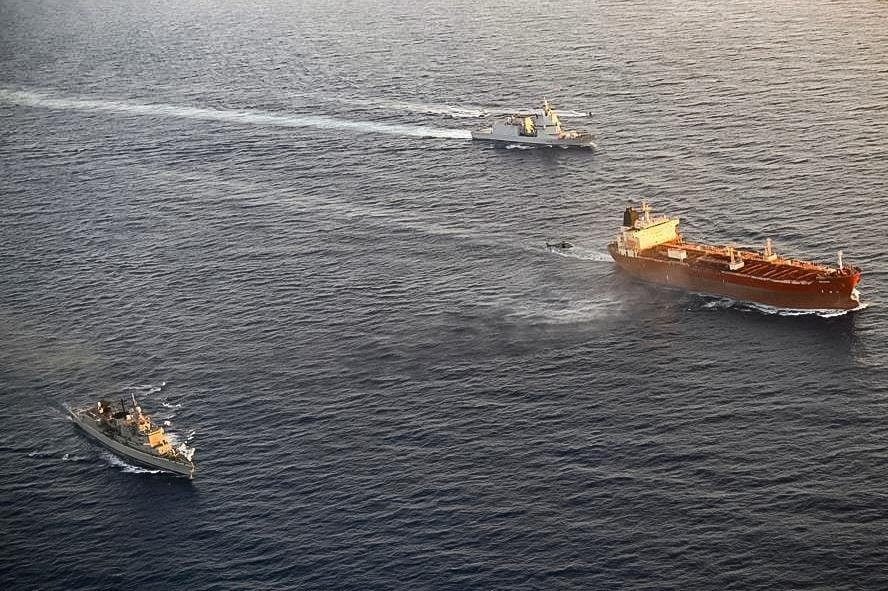
WTI crude moved sharply higher as growing shipping risks in the Middle East added fresh pressure to the oil market. Traders appear to be reacting to the possibility that conflict-related threats to transport routes could disrupt the movement of crude and tighten supply expectations.
The latest move in oil prices suggests that market participants are paying more attention to geopolitical risk than they had been earlier in the conflict. If shipping becomes less secure or more expensive, even without a confirmed supply outage, benchmark prices can rise quickly as buyers price in the chance of future disruption.
Higher crude prices also carry political consequences. Rising oil costs can feed through to fuel prices and broader inflation, creating a more difficult backdrop for policymakers and political leaders. That helps explain why the recent jump in WTI is being seen as a bigger risk for Donald Trump than earlier stages of the war.
More broadly, the market is showing signs that previous limits on price reactions may be weakening. As the conflict enters a more dangerous phase, concerns about regional shipping and energy flows are once again becoming a central driver of crude trading.