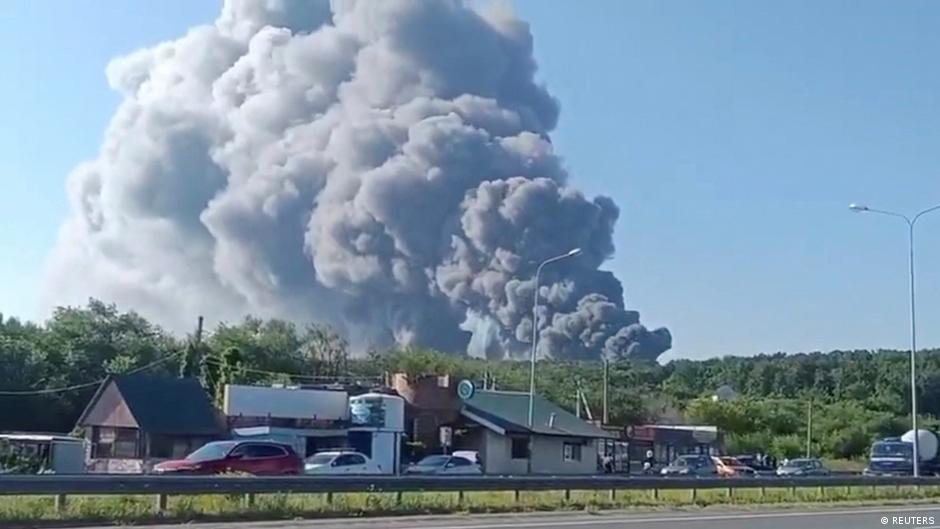
U.S. forces have reportedly expanded their attacks on Iranian targets, with strikes said to include key transport infrastructure such as bridges, rail lines, and an airport. The latest military action marks a significant intensification in the confrontation and was followed by retaliatory moves from Tehran across the Gulf.
Despite the sharper fighting, the White House said talks involving the warring sides were still under way and that diplomacy remained in play. That leaves the crisis in a volatile position, with military escalation and political negotiations unfolding at the same time.
The broader fallout is being closely watched across the region. Gulf states are responding to the growing instability, while the diplomatic track could carry wider implications for U.S.-Iraq relations. The conflict is also drawing attention from major outside powers, including China, as the regional balance comes under pressure.
For now, the situation appears to be moving on two parallel tracks: heavier military pressure and continued attempts at negotiation. With retaliation spreading beyond Iran itself, the risk of a wider Gulf crisis remains tied to whether those diplomatic contacts can slow the escalation.