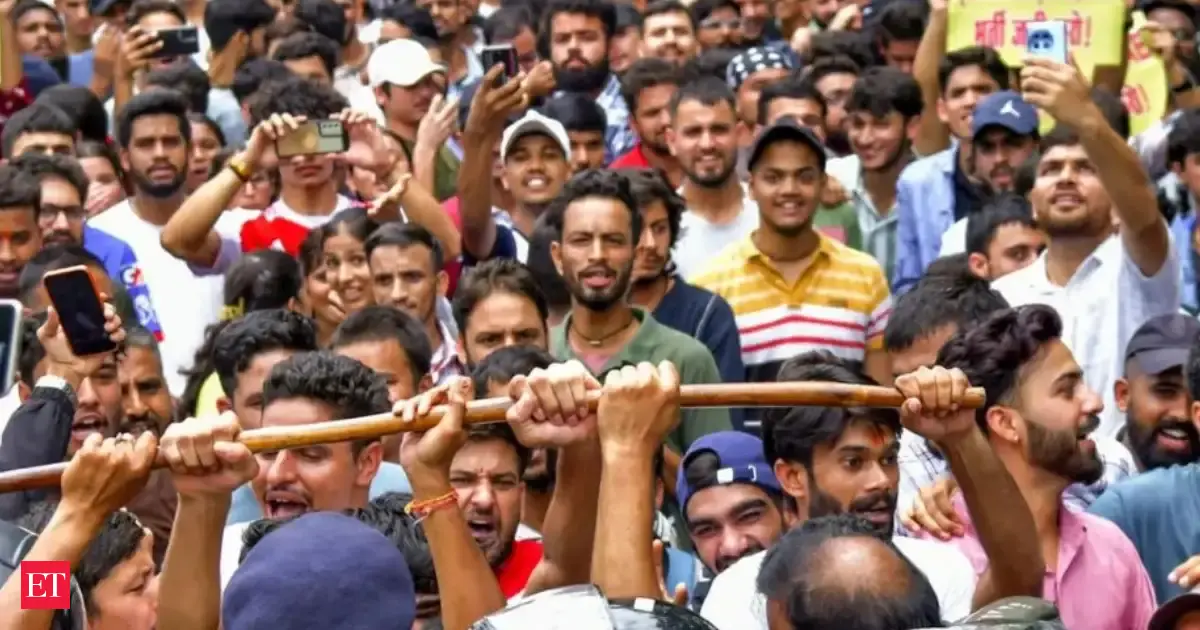
Union Education Minister Dharmendra Pradhan announced his resignation after nationwide protests linked to the NEET-UG row, meeting one of the main demands raised by students and youth groups. Demonstrators had called for accountability over the handling of the medical entrance examination and the wider concerns it triggered.
NEET-UG is one of India’s most important entrance tests because it determines admission to undergraduate medical courses. Any disruption to the exam affects a very large number of students and families, which is why the controversy quickly grew into a major national issue.
The dispute centered on alleged irregularities in the exam process, including claims of a paper leak and other lapses that led to demands for cancellation and a fresh review. Critics argued that the credibility of the test had been damaged, while protesters said authorities needed to answer for how such concerns were allowed to emerge around a high-stakes examination.
Pradhan’s resignation turns an education crisis into a political one as well, because the NEET-UG controversy has become a symbol of public anger over fairness, transparency and trust in competitive exams. With medical admissions at stake, the focus is now likely to remain on how the government addresses the allegations and restores confidence in the examination system.