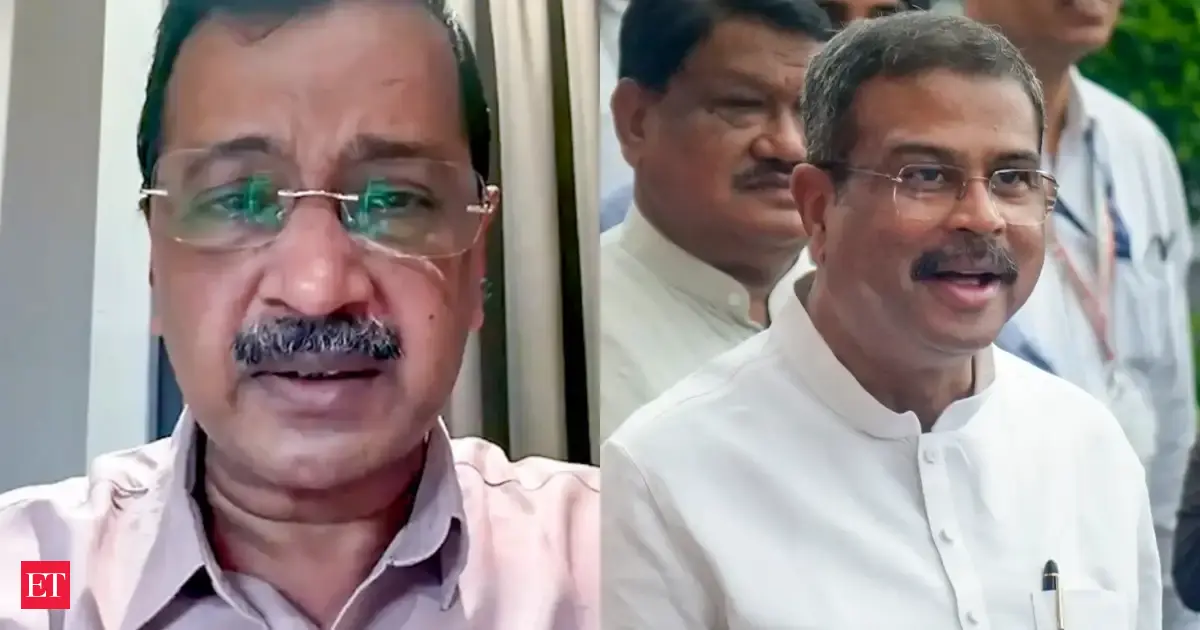
Union Education Minister Dharmendra Pradhan has stepped down, with his resignation coming after sustained student unrest, CJP protests, and the controversy surrounding the NEET paper leak. The development has quickly become a major political flashpoint, with opposition leaders linking his exit to public pressure and demands for accountability.
Arvind Kejriwal was among the first prominent politicians to react, congratulating young people and presenting the resignation as a win for democratic action. His response framed the moment as proof that sustained public protest can force those in power to answer for failures that affect students and families across the country.
Nationalist Congress Party (SP) chief Sharad Pawar also praised the unity and determination shown by India’s youth. His reaction emphasized that the minister’s departure reflected the strength of collective democratic pressure rather than a routine political change.
The resignation is likely to deepen the national debate over examination integrity, student trust, and the government’s handling of the NEET paper leak controversy. With political reactions continuing to build, the focus is now shifting from the minister’s exit to what corrective steps will follow in the education system.