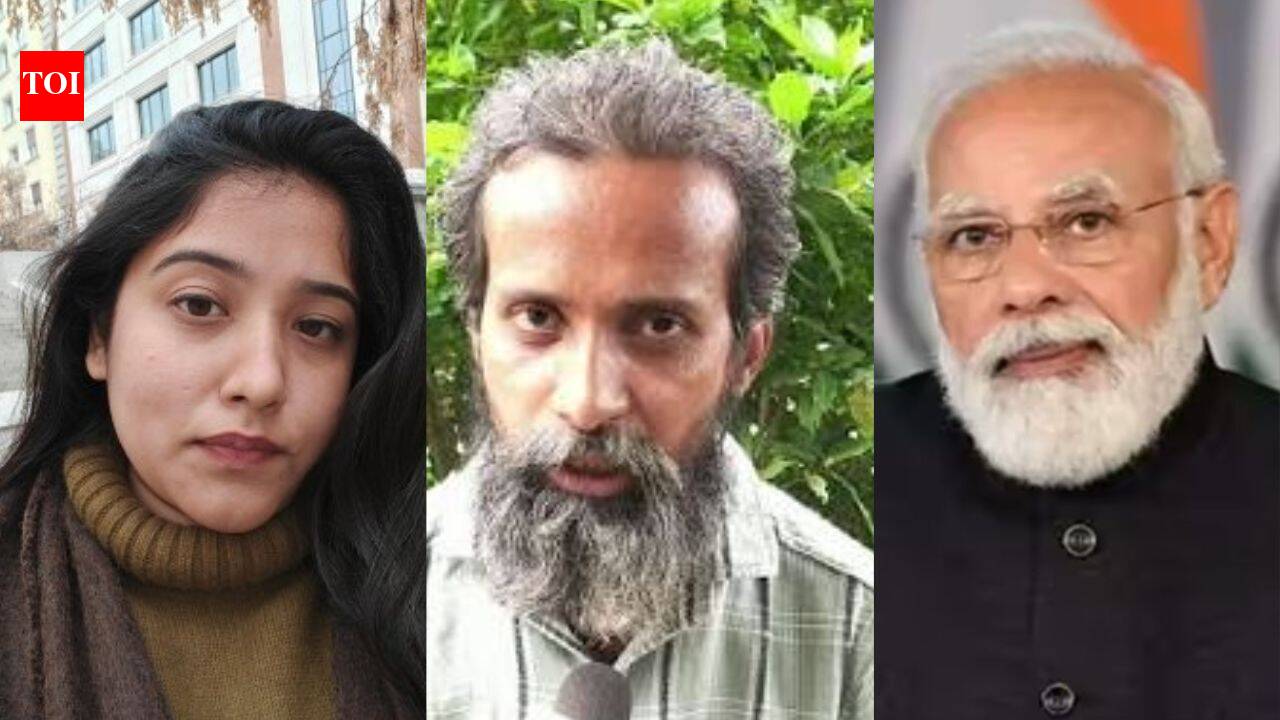
Abhijeet Dipke, a 30-year-old whose brief post on X began as a moment of frustration, has become the public face of what Reuters describes as India's first Gen Z protest movement. The story highlights how a short social media message struck a nerve with young people and helped push a wider protest into the national spotlight.
The report suggests Dipke's rise was driven less by traditional political structures and more by the speed and reach of online platforms. A simple post questioning whether people could unite appears to have captured a broader feeling among younger Indians, turning an individual expression of anger into a rallying point.
As the movement grew, Dipke came to represent a new kind of protest leadership shaped by digital culture, youth identity and rapid online mobilization. Rather than emerging from established institutions, his prominence seems to have come from resonance with Gen Z supporters who saw their own frustration reflected in his words.
The headline also points to a key outcome: the movement ultimately prevailed. That result, combined with Dipke's sudden visibility, marks a notable moment in India's protest politics, showing how a youth-led campaign can move from social media to real-world impact.