Donald Trump’s June remarks at the G7 summit in Évian-les-Bains have come back into focus as concern grows over the Strait of Hormuz and the state of energy supplies. According to the account described, Trump argued that continued military action against Iran would not be enough to reopen the waterway, a key reason he said he halted hostilities at the time.
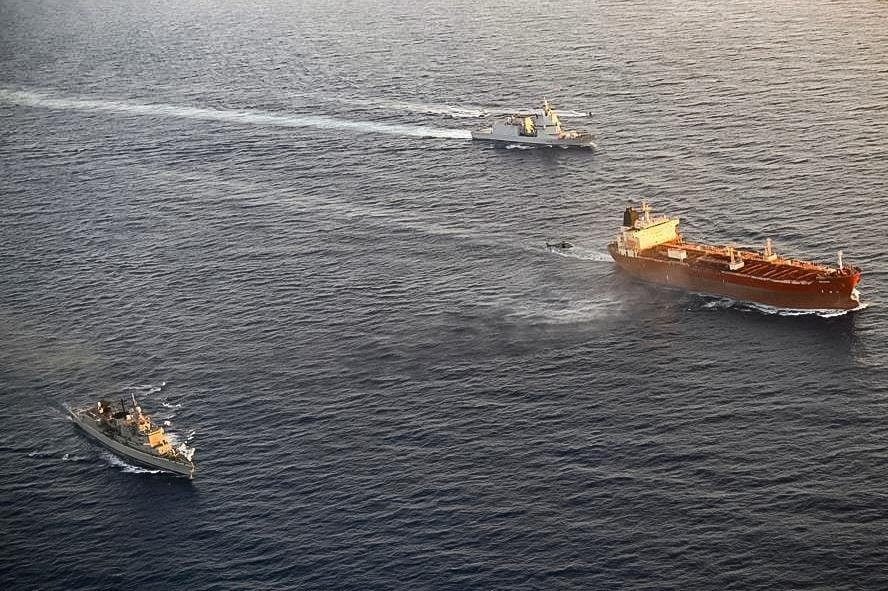
The central issue is that force alone may not solve a shipping crisis in the strait. The argument outlined in the report is that bombing can escalate a confrontation, but it does not necessarily restore safe passage or quickly restart normal traffic through such a narrow and politically sensitive route.
That military limit becomes more serious as energy reserves run lower. With stockpiles said to be shrinking, the pressure shifts from battlefield decisions to a race against time: how long governments and markets can absorb disruption before shortages and wider economic strain begin to build.
Taken together, the episode underscores a broader reality in the standoff with Iran. Even when leaders are willing to use force, reopening the Strait of Hormuz may depend less on airstrikes than on preventing a longer crisis while remaining energy buffers last.