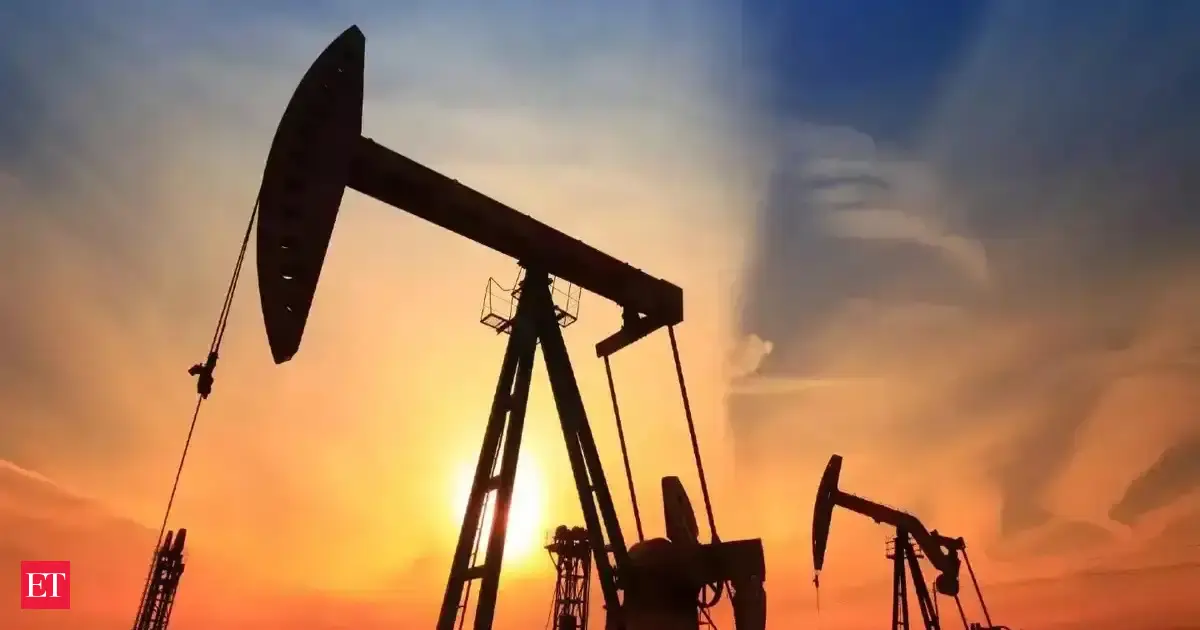
Oil prices are once again hovering near the $100-a-barrel mark, a level often seen by traders and consumers as a major psychological threshold. The move comes as President Donald Trump faces a narrower set of options in dealing with the next stage of the Iran conflict, leaving energy markets focused on supply risks rather than policy relief.
A central concern is the weakened cushion provided by emergency oil stockpiles. With reserves described as depleted, the U.S. has less room to respond if supply shocks intensify. That raises the stakes for any disruption that could further tighten global crude flows and push prices higher.
The biggest risks center on two vital shipping routes: the Strait of Hormuz and the Red Sea. If either corridor were effectively shut or severely constrained, oil traders would likely price in a sharper threat to supply. Even the possibility of prolonged disruption in those waterways can add pressure to crude markets and fuel volatility.
For the White House, that creates a dangerous mix of geopolitical tension and limited economic levers. Higher oil prices can quickly filter through to fuel costs, transport expenses and broader inflation concerns. As crude flirts with $100, the market is signaling that any escalation around key maritime routes could have consequences far beyond the region.