Iran’s move to close the Strait of Hormuz is now showing direct consequences for its own oil trade with China, according to newly released Chinese customs data. The figures cited in the report point to a steep decline in trade flows linked to Iran, underscoring how disruption in one of the world’s most important shipping chokepoints can quickly feed back into energy commerce.
The development is notable because China has been a major destination for Iranian oil. If cargo movement through the Strait of Hormuz is restricted, exporters face immediate logistical pressure, and buyers may also delay or reduce purchases while shipping routes remain uncertain. That appears to be reflected in the customs data highlighted in the report.
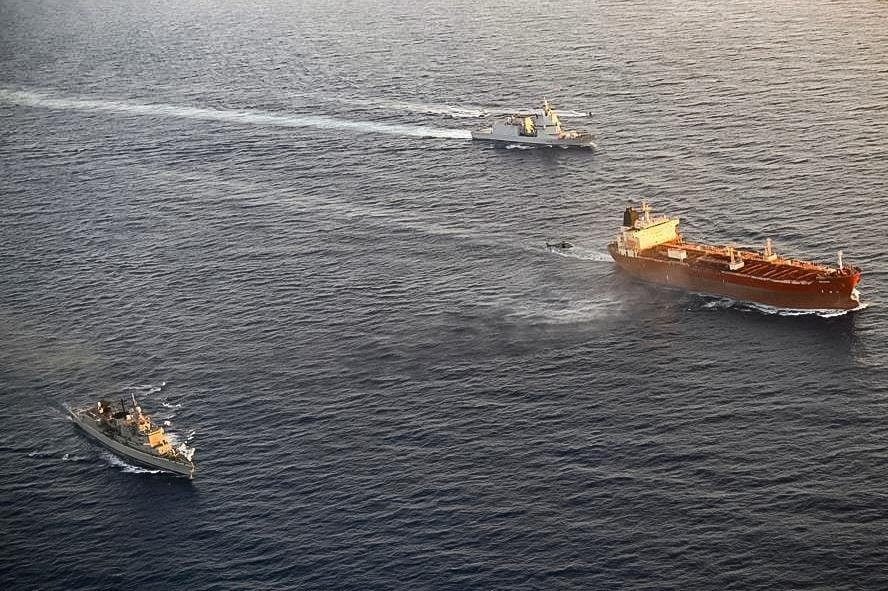
Beyond the bilateral trade impact, the situation adds to broader concerns about oil supply chains and maritime risk in the Gulf. The Strait of Hormuz is central to global crude transportation, so any sustained interruption can affect not only volumes moving from Iran but also market sentiment around regional energy security and shipping reliability.
Attention is now likely to shift to whether traffic can normalize by the end of August. Until clearer signs of recovery emerge, the reported drop in Iran-China oil trade may remain an important indicator of how quickly geopolitical actions in the Strait of Hormuz can disrupt real-world energy flows.