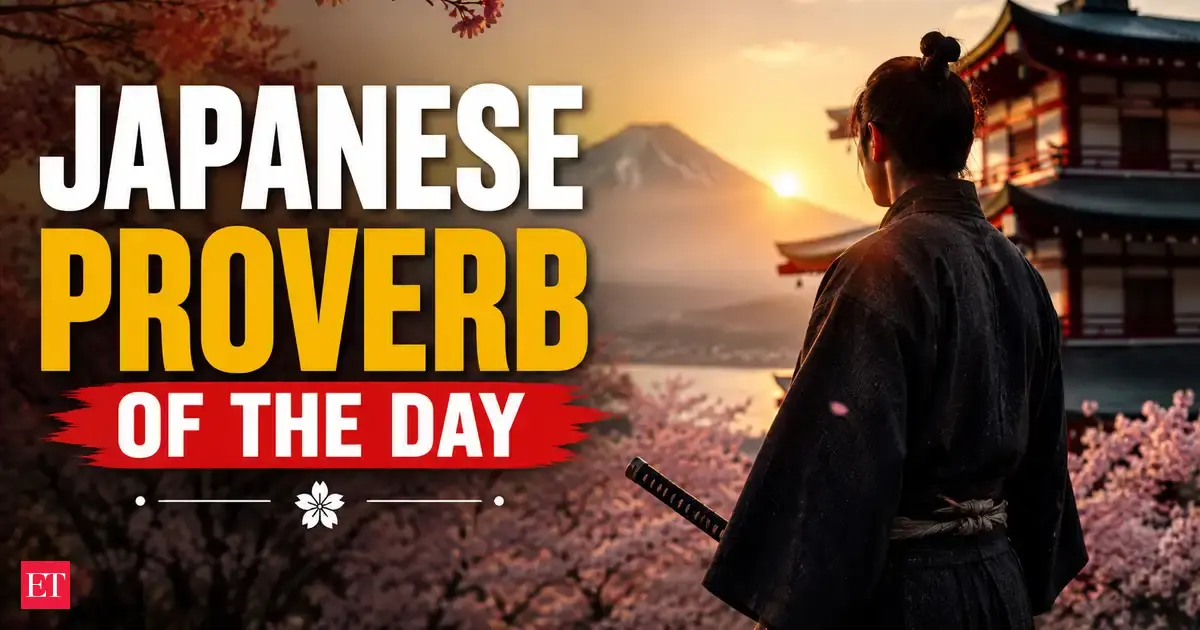
The Japanese proverb Hana wa sakuragi, hito wa bushi is often understood as praising the finest example in two realms: the cherry blossom among flowers and the warrior among people. In modern discussion, the saying is valued not just for its poetic image, but for the moral standard it sets. It points to honor, courage, and dignity as the traits that define a person’s worth.
The image of the cherry blossom gives the proverb much of its force. Cherry blossoms are admired for their beauty, but also for their brief season, which makes them a symbol of life’s impermanence. By pairing that image with the warrior, the proverb suggests that greatness is not measured by how long something lasts, but by the quality, spirit, and character it shows.
That idea helps explain why the saying still resonates today. In a world often focused on status, achievement, or visibility, the proverb shifts attention back to inner values. It highlights resilience in difficult moments, bravery in the face of uncertainty, and the importance of living with principle rather than chasing appearances.
As a piece of traditional Japanese wisdom, the proverb continues to speak across generations because its message is simple and enduring. It reminds readers that a meaningful life is shaped less by length or reward than by integrity, strength of character, and the way a person meets life’s challenges.