This commentary uses Vladimir Putin’s Russia as a case study in failed statecraft, arguing that a country can be badly run not only through domestic decisions but also through the way it turns politics into conflict. The piece begins with Carl von Clausewitz’s idea that war continues politics by other means, using that framework to examine Russia’s direction.
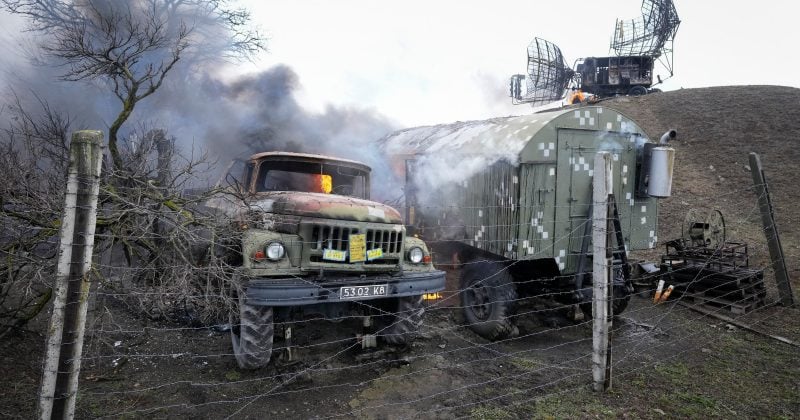
Rather than treating war as only direct battlefield action, the article points to a wider political toolkit. Proxy wars, sanctions and other forms of pressure are presented as extensions of political struggle, showing how modern power contests can move far beyond conventional military force.
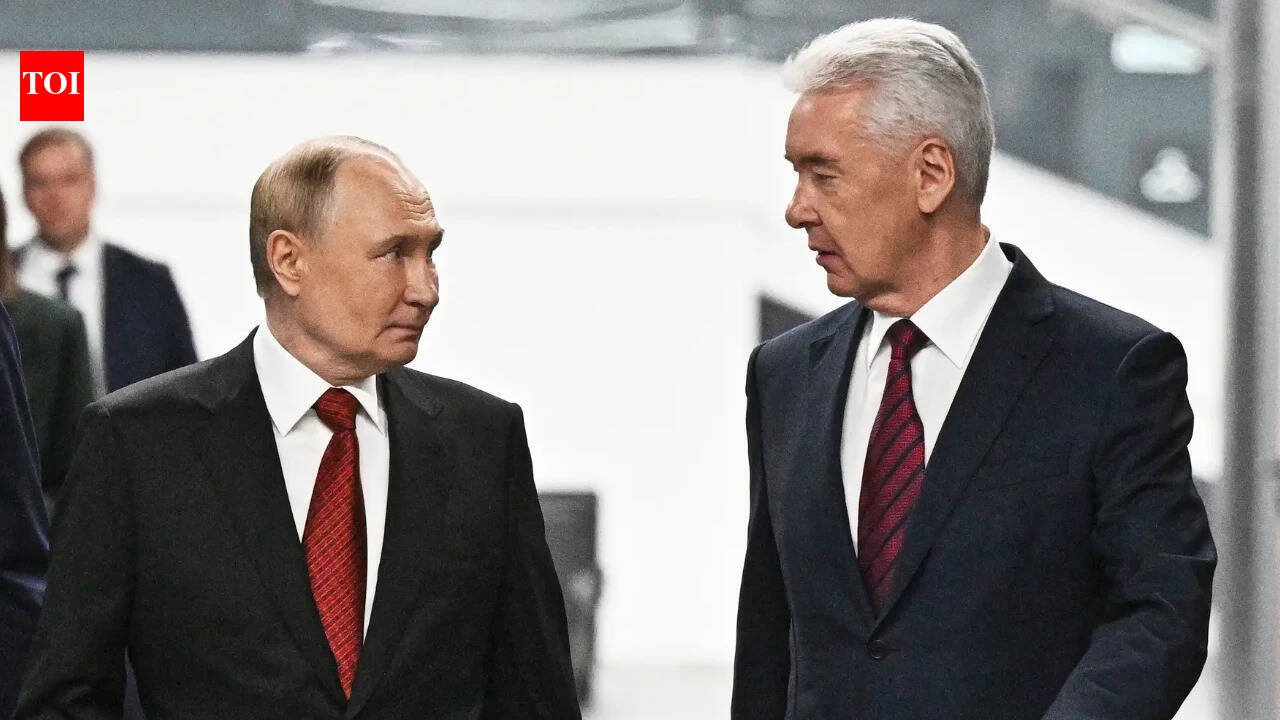
Within that argument, Putin’s Russia is portrayed as a warning sign. The title suggests that the country’s leadership has pursued a model in which political aims, coercion and confrontation become closely linked, with consequences that reach beyond immediate combat.
The overall message is that governing a country cannot be separated from the methods it uses abroad. In this reading, Russia under Putin illustrates how politics, conflict and economic pressure can become intertwined in ways that damage both national management and international stability.