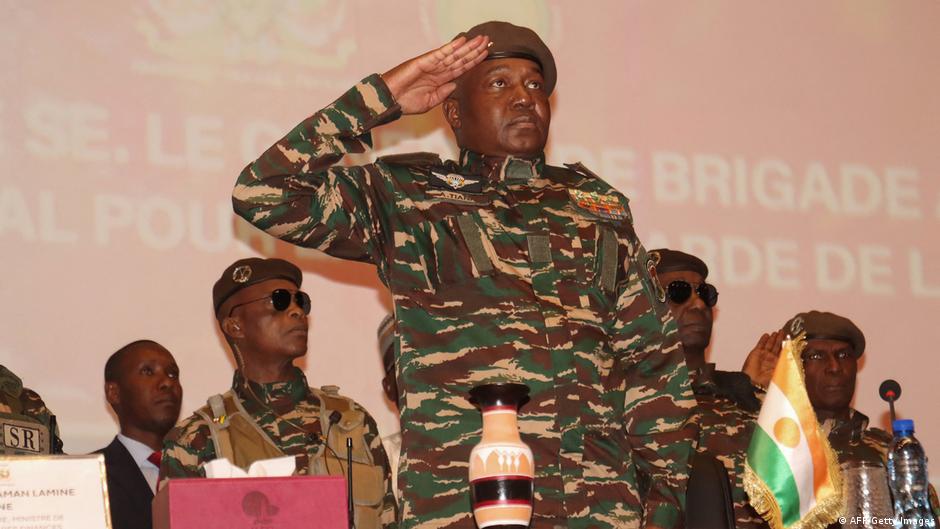
Three years after the military takeover in Niger, the country is still being judged against the promises made when soldiers removed the civilian leadership in July 2023. The junta said it would improve security, strengthen social conditions and deliver economic progress, but assessments of its record remain divided.
General Abdourahamane Tchiani, who became head of state after the coup, defended the power grab by pointing to Niger’s worsening security problems. That argument was central to the military’s case for taking control, with the new leadership presenting itself as a force that could succeed where previous authorities had struggled.
Now, the main question is whether those pledges have translated into greater stability. Reviews appear mixed, with debate focusing on how much progress has been made on safety, living conditions and the broader economy since the junta took power. The gap between expectations and outcomes remains a key issue in judging the military government.
The situation leaves Niger at a difficult point, with stability still a major national concern. As the country moves further from the 2023 coup, scrutiny is likely to stay fixed on whether military rule can deliver the security and development it promised.