Europe’s debate over drones is becoming too narrow, according to the argument outlined here. While these systems have changed modern warfare and captured public attention, treating them as a complete answer risks distorting defense policy at a time when Russia remains a direct security challenge.
The concern is not that drones are unimportant. It is that political leaders may become so focused on them that they hesitate to explain and fund other legitimate military needs. If the discussion turns into a choice between faith in new weapons and a fuller defense posture, the result could weaken NATO and benefit Russia.
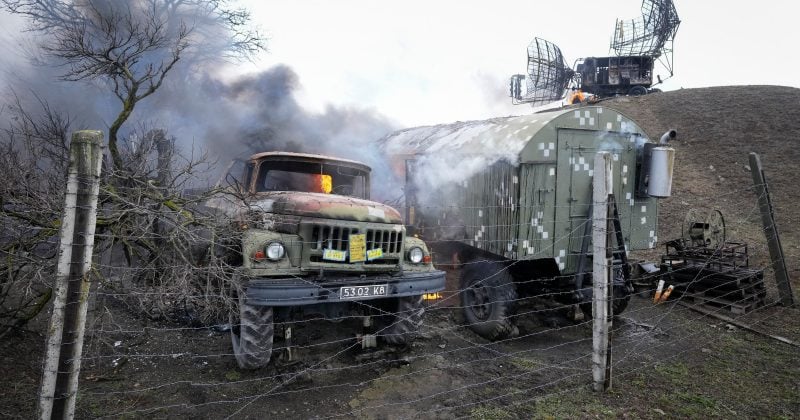
That warning is reinforced by the way Russia also uses drones in the conflict linked to Ukraine. Some of those aircraft end up violating NATO airspace, and Russian interference with Ukrainian drone flights can cause them to stray into allied territory as well. Those incidents show that drone warfare creates risks and complications that go beyond the battlefield itself.
The broader lesson is that drones should be seen as one tool within a larger security strategy, not a substitute for it. Effective defense still requires policymakers to make the case for a wider mix of capabilities, especially when dealing with a hostile power that is adapting its own drone tactics at the same time.