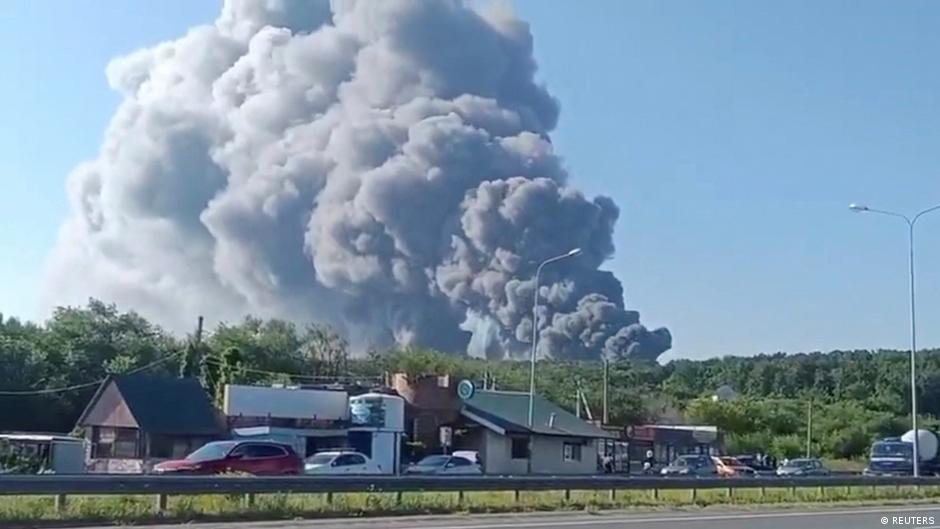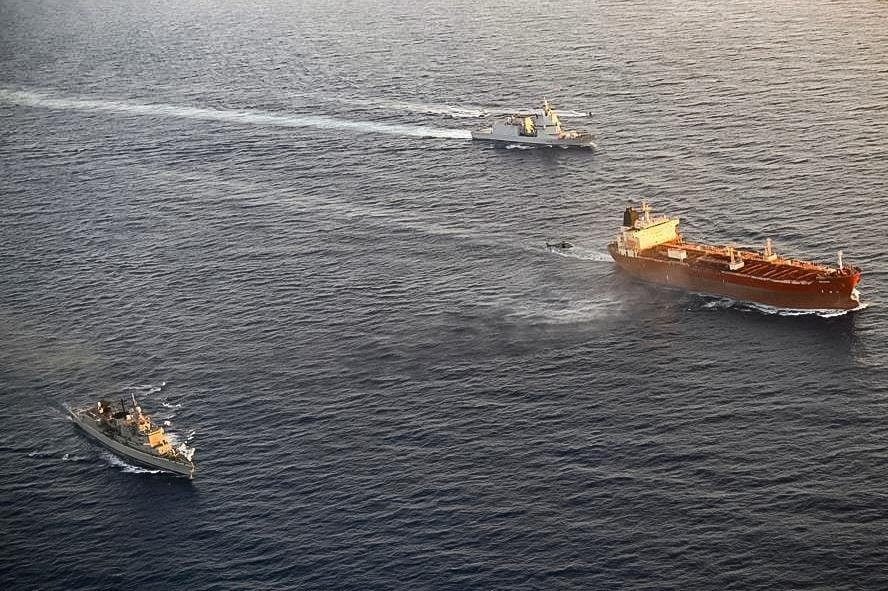
Drone warfare is emerging as a growing threat to global energy supplies, with conflicts linked to Iran and Ukraine underscoring how vulnerable the oil market can be. The central concern is that relatively low-cost drones can be used to hit critical infrastructure such as refineries and oil tankers, disrupting production and transport more easily than in past conflicts.
That shifting risk helps explain why oil prices climbed to around $100 per barrel this week. When traders see a greater chance of sudden interruptions to refining or shipping, markets tend to price in the possibility of tighter supply and higher costs across the energy system.
The broader issue is not only the damage a drone strike can cause, but the affordability and accessibility of the technology itself. If attacks become easier to carry out, energy facilities across conflict zones and major transport routes may face more frequent threats, adding uncertainty for producers, shippers and buyers.
For consumers and businesses, the result can be felt far beyond the battlefield. Any sustained threat to refineries or tankers can ripple through crude markets, fuel distribution and gasoline prices, reinforcing the idea that drone attacks are becoming a major factor in global energy security.