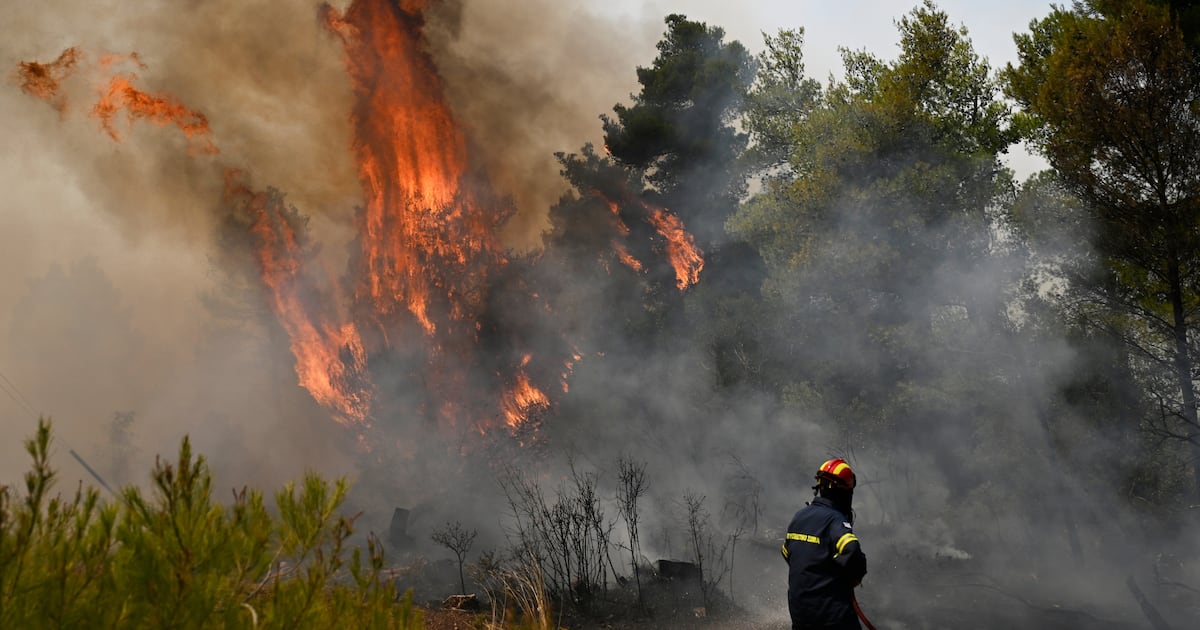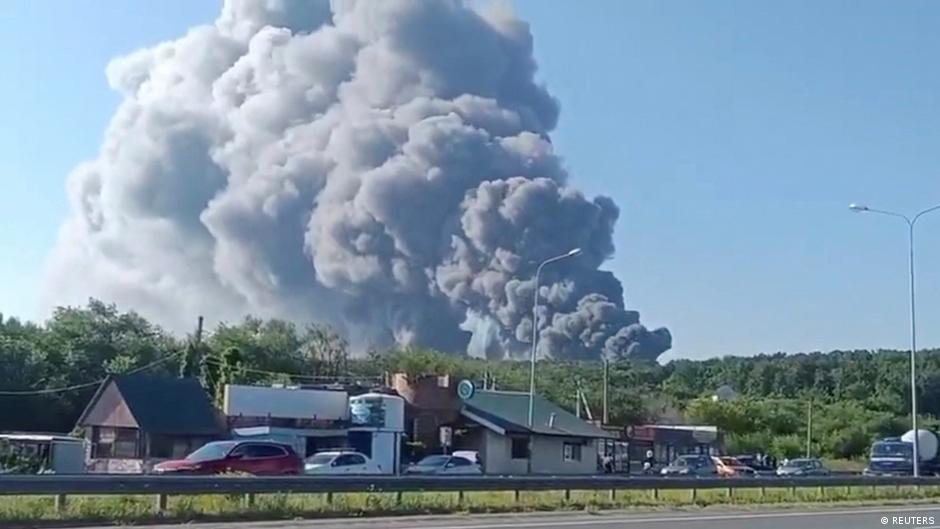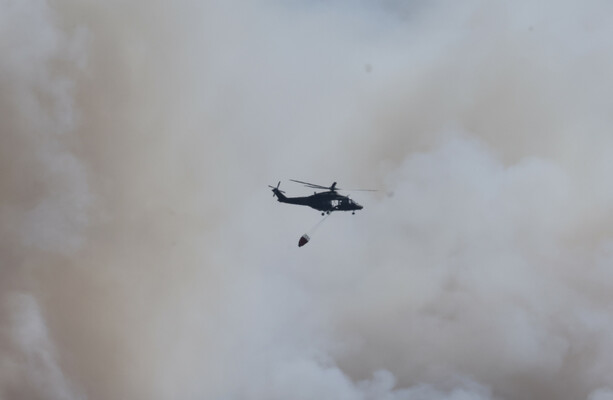
A commentary on extreme weather coverage argues that the familiar images once used to illustrate hot summer days are no longer the obvious choice. Where stories about high temperatures were often paired with photos of melting ice creams, packed beaches or people cooling off, the mood has shifted toward scenes of smoke, flames and environmental damage.
The piece focuses on a recurring criticism aimed at news organisations during periods of record-breaking heat: how the media chooses to portray these events. Its central point is that intense heat is increasingly harder to frame as harmless summer fun when the wider backdrop now includes forest fires and other signs of climate stress.
That change in imagery reflects a broader change in how heatwaves are understood. Instead of being treated mainly as a chance for beach trips and novelty weather pictures, extreme heat is more often linked to danger, disruption and the growing consequences of a warming climate.
In that sense, the article suggests that summer coverage has become a marker of changing times. The visual language of hot weather reporting is moving away from light seasonal scenes and toward the harsher realities that now accompany prolonged heat.