A Russian state-backed hacking group known as Star Blizzard reportedly targeted US nuclear scientists after first sharpening its phishing methods against Ukrainian victims. The campaign has drawn attention because it appears to show how cyber tactics tested in one conflict can later be redirected at more sensitive research and security-related targets.
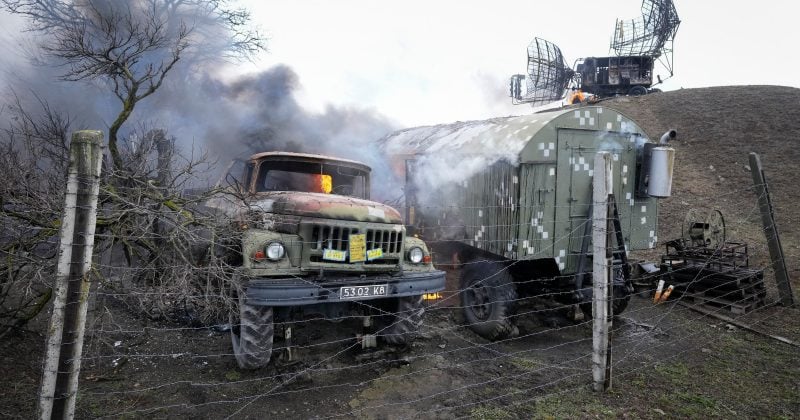
According to the report, the group spent about a year refining phishing operations aimed at people and organizations in Ukraine. It then shifted focus toward western nuclear research institutions and defense contractors, suggesting a broader effort to collect information from sectors tied to national security and advanced science.
The case highlights a recurring cybersecurity risk: phishing campaigns often evolve over time, becoming more convincing and more narrowly tailored to specific professional communities. When researchers, scientists, and contractors are targeted, the concern extends beyond individual accounts to the possibility of access to valuable institutional data and networks.
The reported activity adds to wider worries about state-linked cyber operations using conflict zones as testing grounds for new approaches. For US nuclear scientists and related organizations, the episode underscores the importance of stronger email security, account protection, and vigilance against highly targeted social engineering attempts.