The Strait of Hormuz closure is emerging as another major pressure point for global food markets, with crop prices reportedly climbing to their highest level in three years. That matters well beyond commodity trading desks, because higher crop costs often feed through to supermarket shelves after a delay.
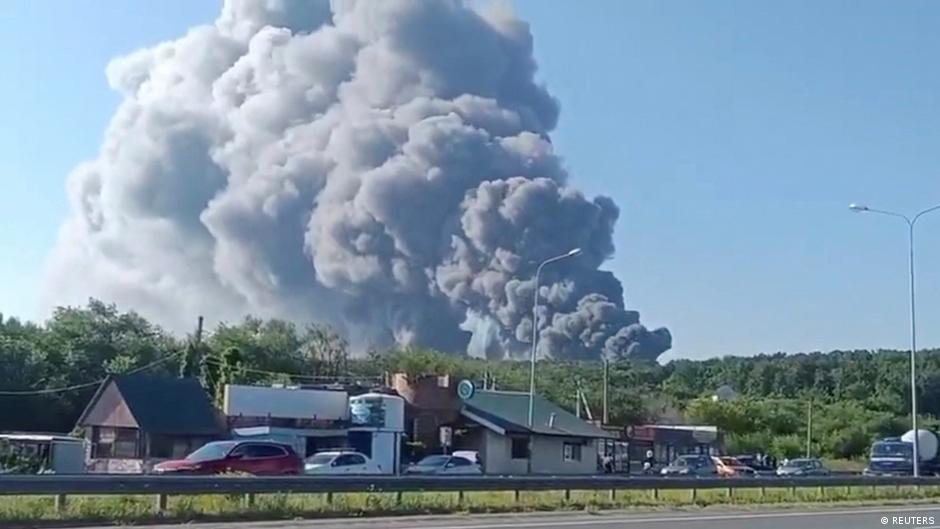
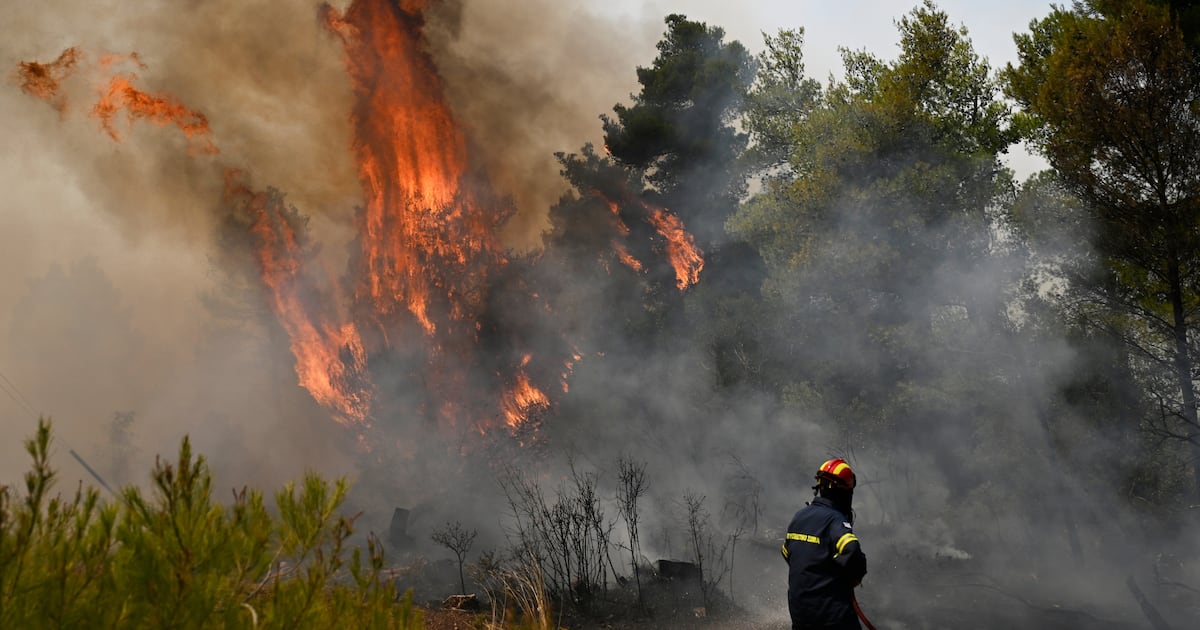
The article points to two broader drivers behind the jump in agricultural prices: severe heat waves and escalating conflict in the Black Sea region. Heat can damage harvests and reduce yields, while conflict around a key export corridor can disrupt supply flows and add uncertainty to already tight markets.
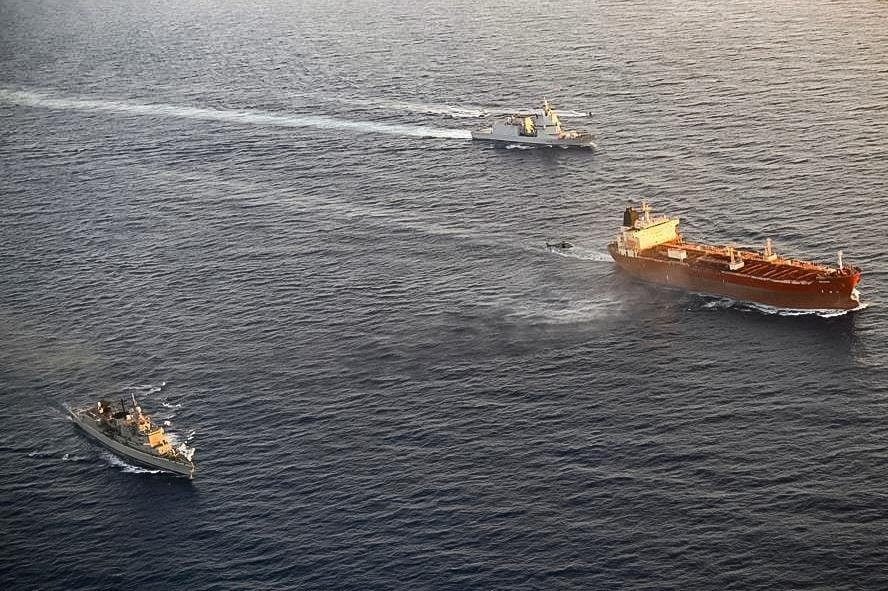
A Strait of Hormuz disruption adds a separate layer of risk by threatening energy shipments and shipping costs. When transport and fuel become more expensive or less reliable, the cost of moving food and farm inputs can rise as well. That can intensify inflation across staples, processed foods, and other grocery categories.
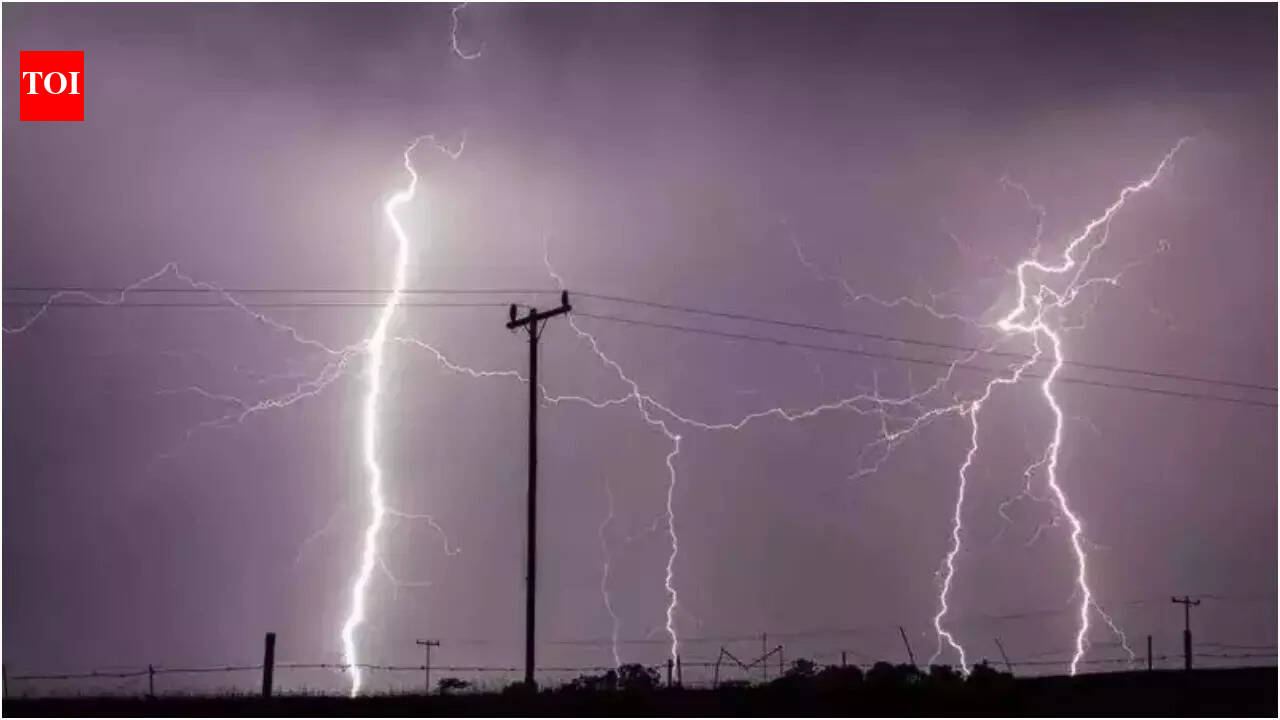
Taken together, the combination of weather stress, geopolitical conflict, and shipping disruption is raising concern about a broader global food squeeze. With crop prices already at a multi-year high, the warning is that consumers may soon feel more of the impact in everyday supermarket prices.