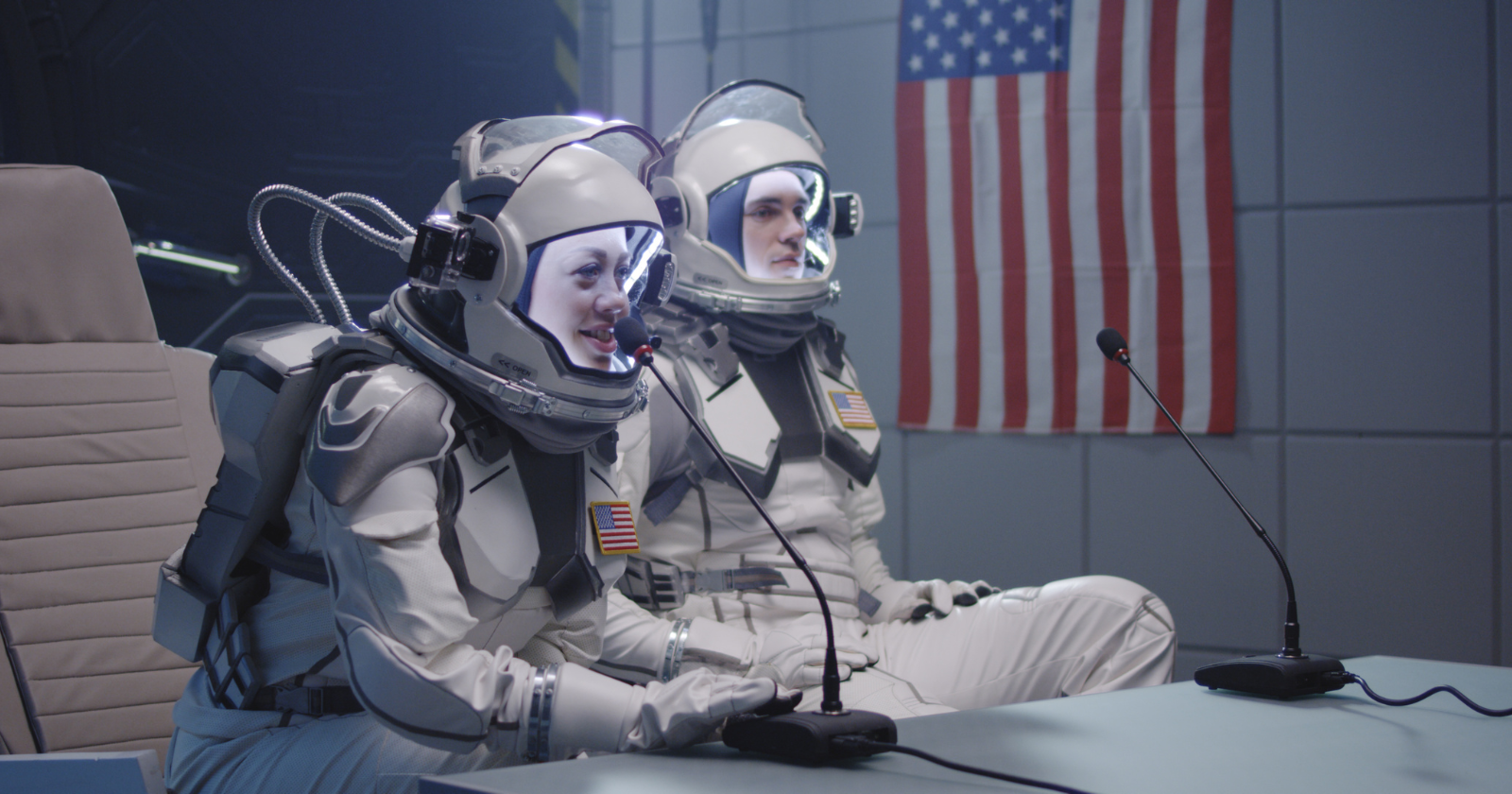
Astronauts returning from orbit can be measurably taller than when they launched, a temporary change linked to how the spine behaves in microgravity. Reports on long missions suggest the increase can reach several centimetres, with some cases approaching five, before the effect fades after the crew is back on Earth.
The key reason is not simply muscle wasting or bone loss. Instead, the change points to gravity as a major force shaping the human spine every day. On Earth, constant downward loading keeps the spinal column compressed. In orbit, that pressure is reduced, allowing the spine to extend more than it normally can.
That makes spaceflight a striking example of how quickly the body can adapt when gravity changes. The spine appears to lengthen in response to weightlessness, and then compress again once normal gravity returns. According to the report, this reversal happens within days of landing, showing that the effect is significant but short-lived.
The phenomenon highlights a broader lesson from human spaceflight: gravity is one of the body’s main structural influences. By watching how astronauts change in orbit and then recover on the ground, researchers gain a clearer picture of how the spine is shaped not just by anatomy, but by the environment it lives in.