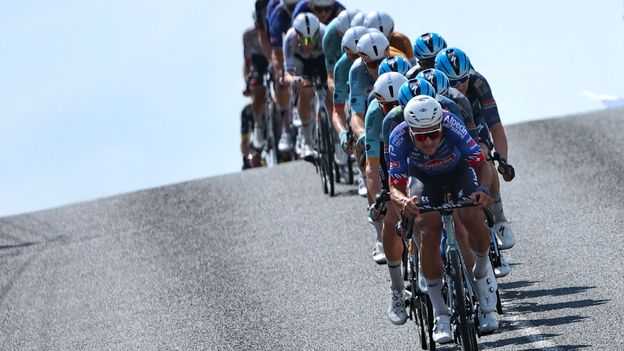
The Tour de France is widely seen as one of the hardest events in sport, and its final weekend puts that strain into sharp focus. Success is not only about fitness and endurance. Riders also face a constant mental test as they deal with pressure, expectations and the need to make smart decisions over many days of racing.
The clearest target is the yellow jersey, awarded to the leader in the general classification and ultimately the overall winner. Chasing that prize brings obvious prestige, but it also brings psychological weight. Riders and teams must judge when to attack, when to defend and how to manage energy while knowing that one bad day can change the standings.
The race is also more complex than a single battle for first place. Other prize jerseys create additional objectives, giving riders and teams different ways to define success. That means the Tour becomes a layered tactical contest, with some competitors focused on the overall title while others pursue separate classifications that can shape the rhythm of each stage.
That mix of physical suffering and strategic thinking is part of what makes the Tour de France so compelling. The event is often described as a race on wheels, but it is also a contest of concentration, resilience and nerve, where the psychological challenge can be as important as the effort on the road.