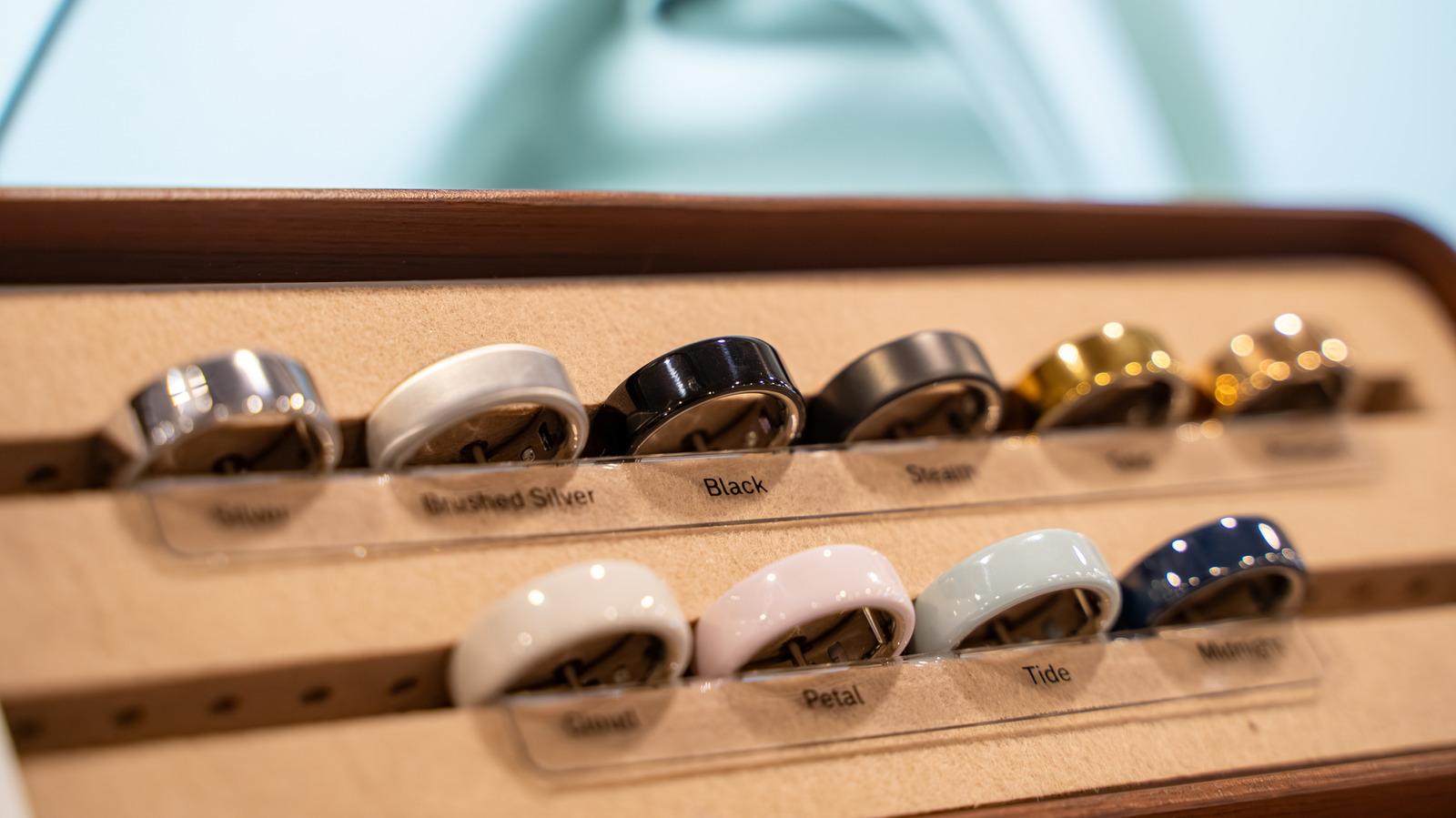
Oura Rings have become one of the most talked-about wearable health trackers, largely because they offer a less intrusive alternative to watches and wristbands. The growing interest around the device has also raised a practical question for shoppers: do Oura Rings really work, and how much trust should users place in the data they provide?
The discussion around Oura Ring accuracy centers on convenience versus clinical reliability. For many consumers, the appeal is simple: a small ring that can monitor sleep, activity, and other wellness-related trends throughout the day and night. That ease of use has helped push the device into the mainstream as more people look for simple ways to keep tabs on their health.
Doctors' views on Oura Rings appear to be more measured than the hype surrounding the product. The medical perspective tends to treat devices like this as useful wellness tools rather than replacements for professional evaluation. In other words, an Oura Ring may help users spot patterns over time, but it should not be seen as a stand-in for medical testing or a diagnosis.
For buyers considering whether an Oura Ring is worth the money, the key issue is expectation. If the goal is general health tracking and added insight into daily habits, the device may have clear appeal. But if someone is looking for precise medical-grade answers, doctors suggest approaching any wearable, including the Oura Ring, with caution and context.