President Donald Trump appears to have pulled back from immediate escalation with Iran, even after a deadly attack on U.S. troops in Jordan reportedly crossed the threshold he had set for a tougher response. The report points to a notable shift: after roughly two weeks of U.S. military airstrikes, Friday passed without a new round of attacks.
The pause has drawn attention because it comes at a moment of high tension between Washington and Tehran. At the same time, Trump signaled that diplomacy may still be possible, saying Iran wants an agreement but is not yet ready to complete one. That framing suggests the administration may be weighing military pressure against the possibility of renewed negotiations.
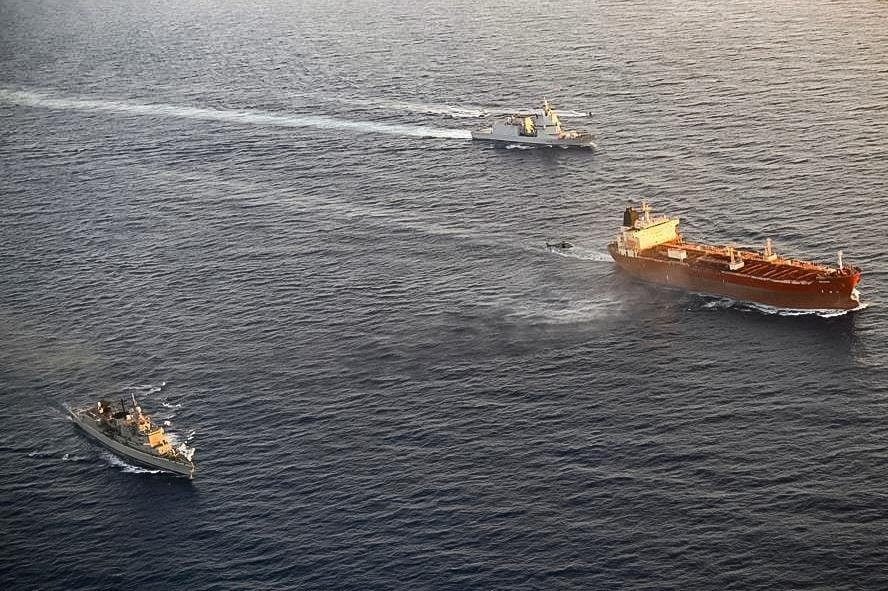
A potential Hormuz-related deal is emerging as a key focus in the wider standoff. While the available details are limited, any understanding tied to the Strait of Hormuz would carry major strategic importance because the waterway is central to regional security and global energy flows.
For now, the combination of halted strikes and talk of a possible deal indicates a temporary opening for diplomacy rather than an immediate march toward broader war. Even so, the situation remains fragile after the deaths of American service members in Jordan and could shift quickly depending on Iran's next moves and the U.S. response.