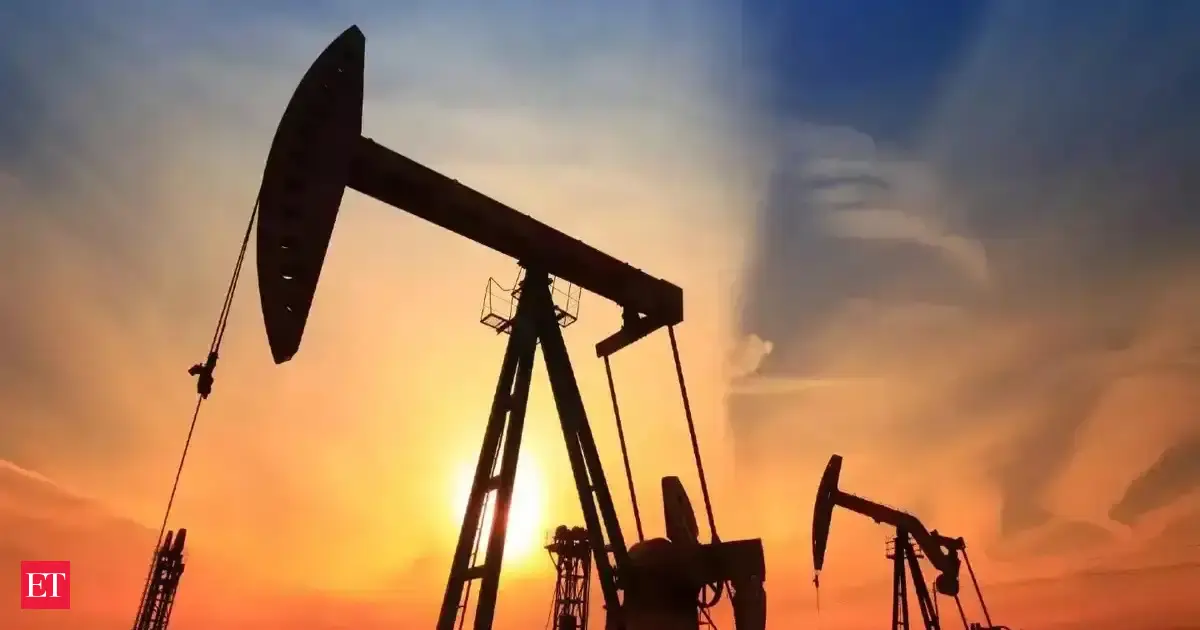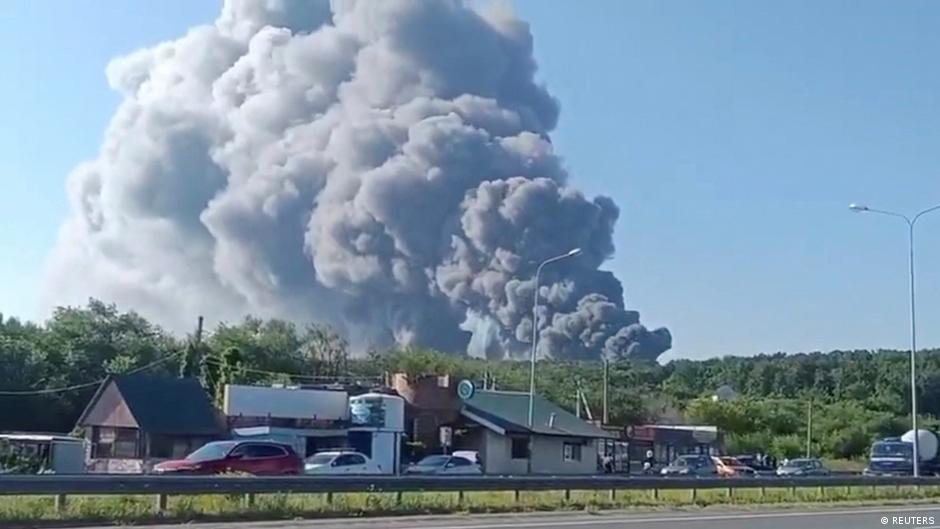
Global oil prices have climbed back toward $100 a barrel as tensions in the Middle East flare again. The latest move reflects growing market anxiety that renewed hostilities involving the US and Iran could disrupt energy flows and tighten supply just as inventories are already falling.
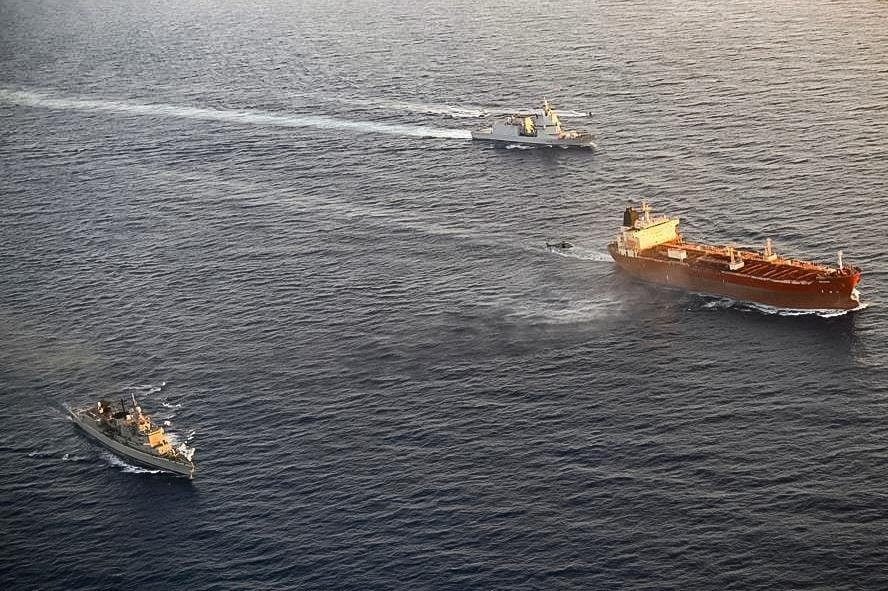
A major concern for traders is the risk to traffic through a critical regional shipping route. Any threat to tanker movement in that area can quickly push crude higher, because even the possibility of delays or interruptions affects expectations for near-term supply.
The price surge is drawing extra attention because global stockpiles have been shrinking. With less buffer in the system, the oil market has become more sensitive to geopolitical shocks, making price spikes more likely when conflict intensifies.
If crude stays near $100, the effects could spread well beyond the energy sector. Higher oil prices can feed into transport, fuel and broader inflation pressures, adding another layer of uncertainty for businesses, consumers and economies already dealing with a fragile global outlook.