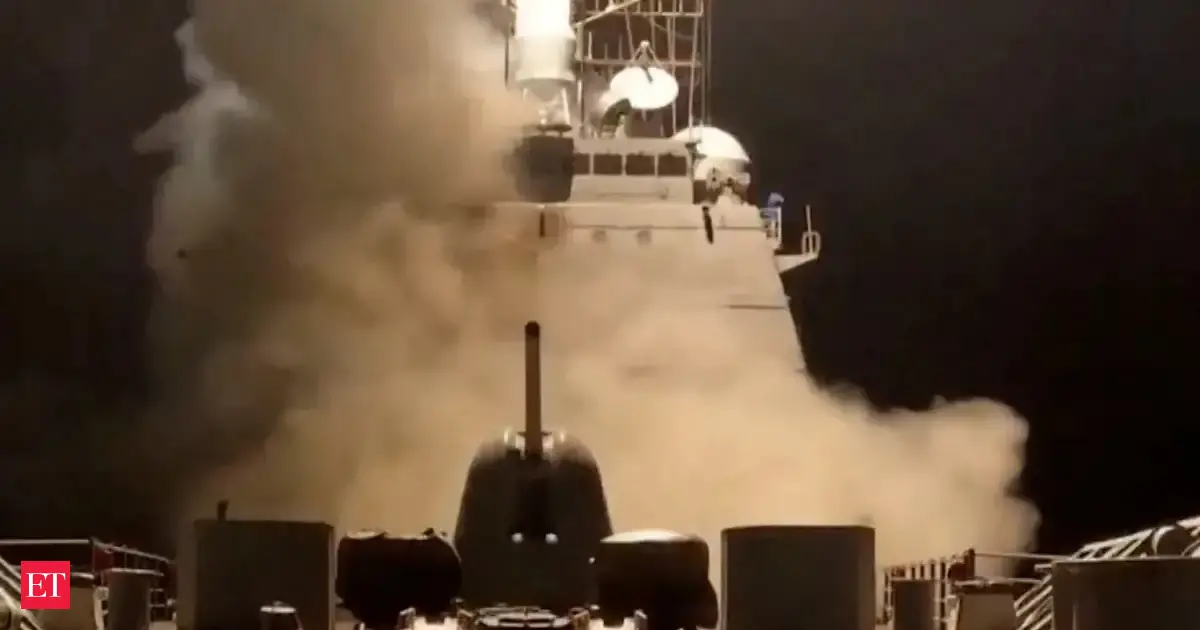
President Donald Trump has increased U.S. air strikes on Iran and warned of a broader escalation, deepening concerns about a conflict that appears to be growing rather than moving toward resolution. The latest developments come after an interim ceasefire arrangement broke down, leaving Washington facing a more unstable and dangerous situation.
The renewed military pressure has not shown clear signs of achieving its stated aims, according to the account described in the report. Instead, the strategy is being portrayed as one that risks repeating earlier failures, with force so far unable to deliver a decisive political outcome or extract meaningful concessions from Iran.
The collapse of the temporary truce has also raised the possibility of a wider regional crisis. Iran has signaled that continued strikes could trigger involvement from allied forces in Yemen, adding another layer of uncertainty to an already volatile standoff and increasing the risk that the conflict could spread beyond the immediate U.S.-Iran confrontation.
Analysts cited in the report suggest the United States may now be caught between intensifying military action and the absence of an effective path to de-escalation. With tensions rising and diplomacy under strain, the situation points to a familiar challenge: how to avoid a broader conflict while pursuing goals that military action alone has not yet delivered.