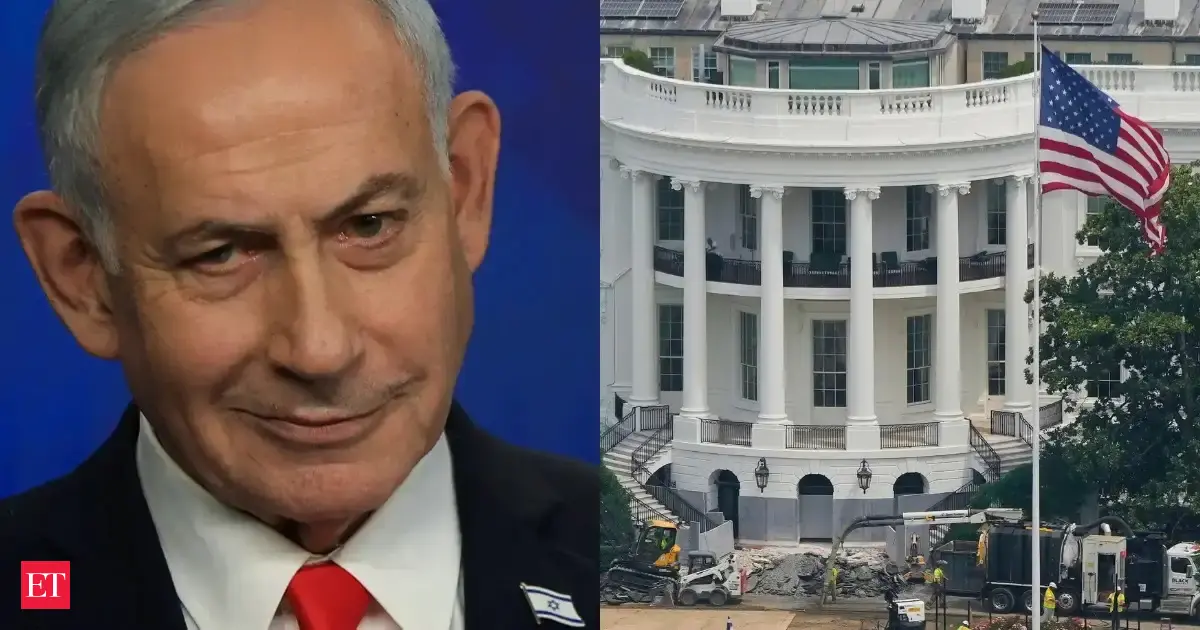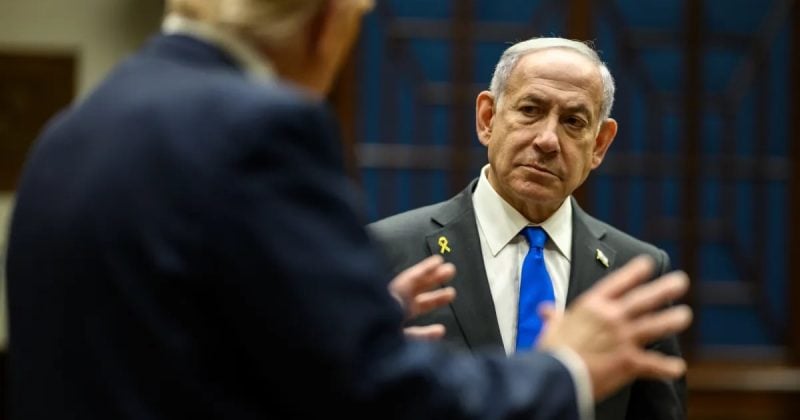
The White House has not put a meeting with Israeli Prime Minister Benjamin Netanyahu on the schedule, according to recent reporting, a move that is being read as a sign of growing strain between Washington and Jerusalem. The decision points to a cooler phase in U.S.-Israel relations at a sensitive time for regional diplomacy.
A missed or delayed Oval Office meeting can carry political weight, especially for a leader like Netanyahu, whose standing in Washington has often been seen as an important part of Israel's broader strategy. If the diplomatic distance continues, it could reduce his ability to shape U.S. thinking on key Middle East issues.
The reported friction also raises wider questions about how closely the two governments are aligned on current priorities. When the White House and Israel's leadership appear out of step, the effects can reach beyond bilateral ties and influence calculations across the region.
With future negotiations and security discussions likely to depend on close coordination, the lack of a planned meeting is drawing attention as more than a scheduling issue. It suggests a relationship facing added pressure, with possible consequences for regional stability and the next phase of U.S. policy in the Middle East.