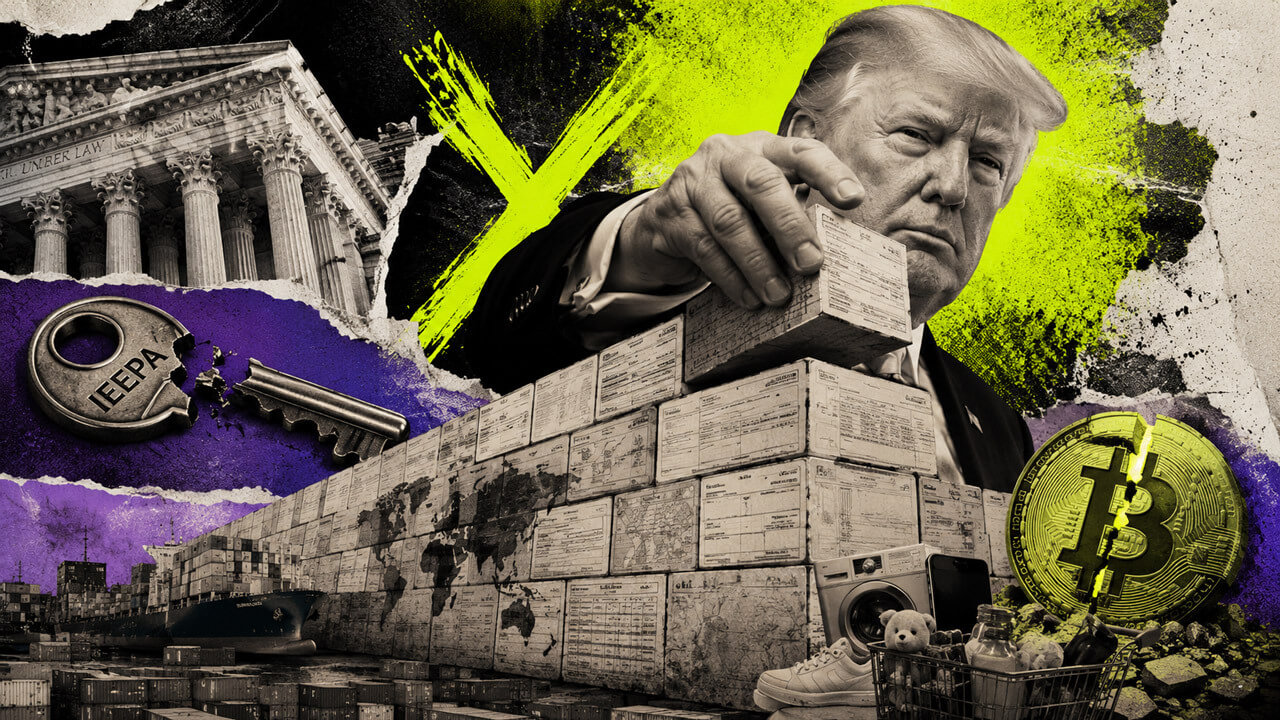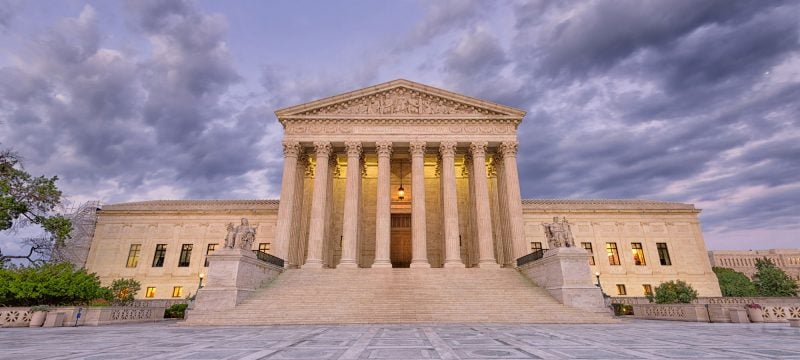
A major US tariff fight has taken a new turn after the Supreme Court struck down President Donald Trump's tariffs imposed under the International Emergency Economic Powers Act, or IEEPA. The 6-3 ruling undercuts the administration's use of emergency powers to justify duties tied to Canada, Mexico, and China.
The decision is being viewed as a landmark limit on presidential authority in trade policy. Based on the available details, the court found that emergency power could not be used in this way, removing a key legal foundation for those tariffs.
The policy did not stop there. The administration quickly shifted to a different legal route, rolling out new tariffs under Section 301. Those new levies were described as ranging from 10% to 12.5% and applying to 60 economies, showing a rapid move to preserve broad tariff pressure even after the court setback.
The outcome leaves US trade policy in a new phase: the original IEEPA-based tariff strategy has been weakened, but a replacement framework is already in motion. For businesses, markets, and trading partners, the focus now turns to how these Section 301 measures will be applied and whether they face fresh legal or political challenges.