Global inflation worries are resurfacing as investors weigh a new mix of risks that could keep prices elevated. Higher energy costs, the prospect of additional US tariffs and rapidly growing spending tied to artificial intelligence are all feeding concern that inflation may prove harder to bring under control than many had hoped.
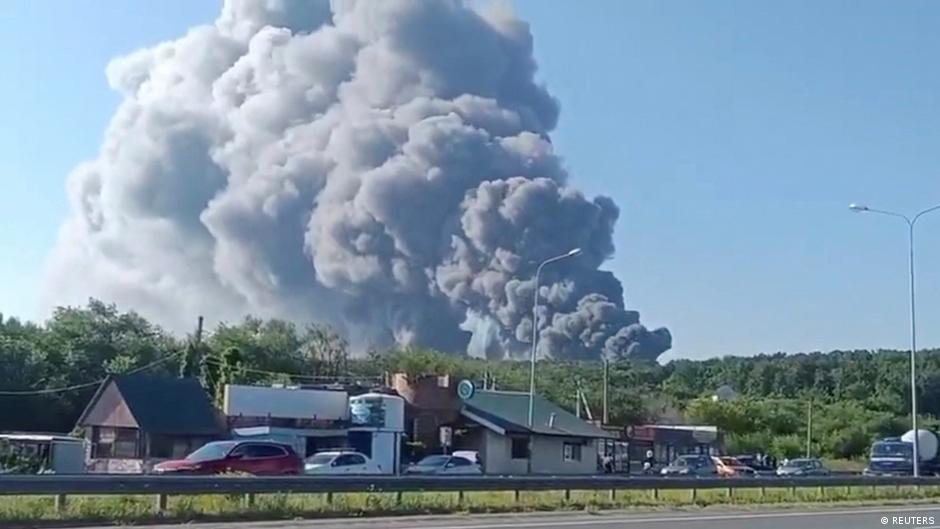
Energy markets are back at the center of that debate after a week that opened with escalating violence in the Middle East. Any threat to supply or transport in a major producing region can quickly push oil and other energy costs higher, and those increases often ripple through transport, manufacturing and household expenses.
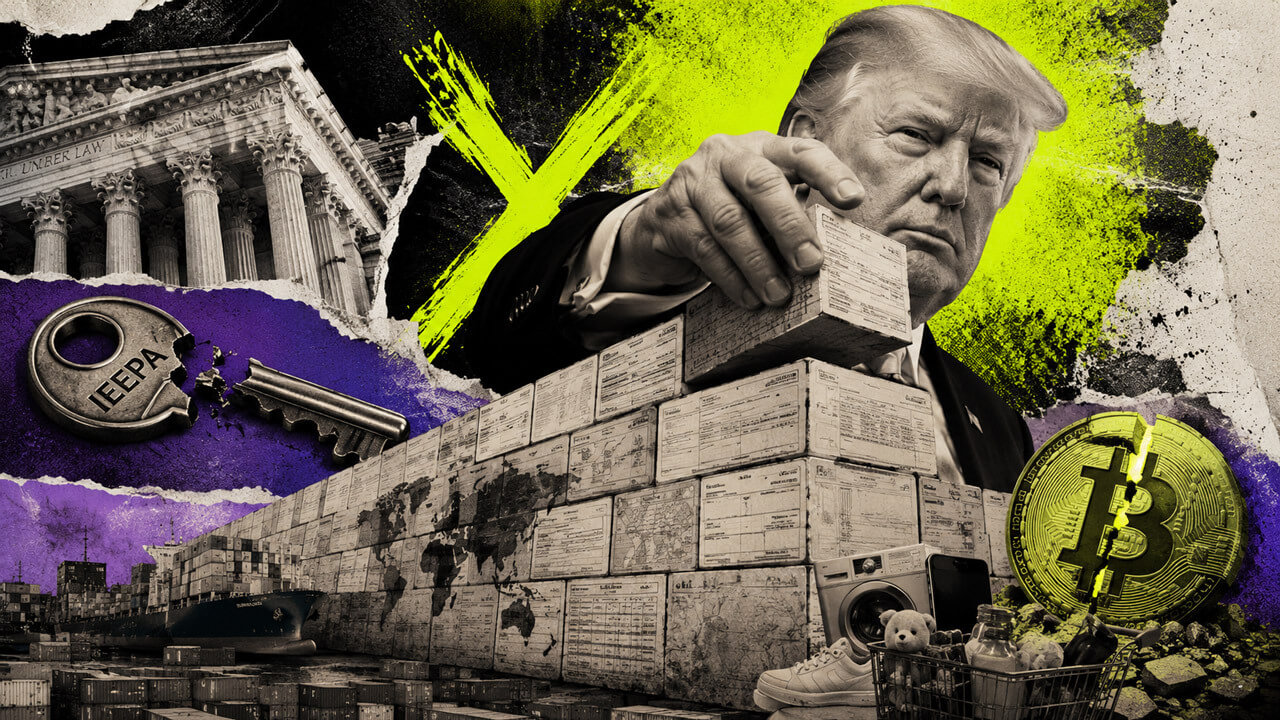
At the same time, tariffs are being viewed as another potential source of upward pressure on prices. Trade barriers can raise import costs for businesses and consumers, while large-scale investment in AI infrastructure is adding to the sense that demand for equipment, power and related services could intensify price pressures across several parts of the economy.
Together, those forces are reviving a market narrative that inflation may stay sticky even if earlier price spikes had started to ease. For investors, the renewed concern is not just about current costs, but about whether central banks and financial markets will need to adjust to a longer period of persistent inflation risk.