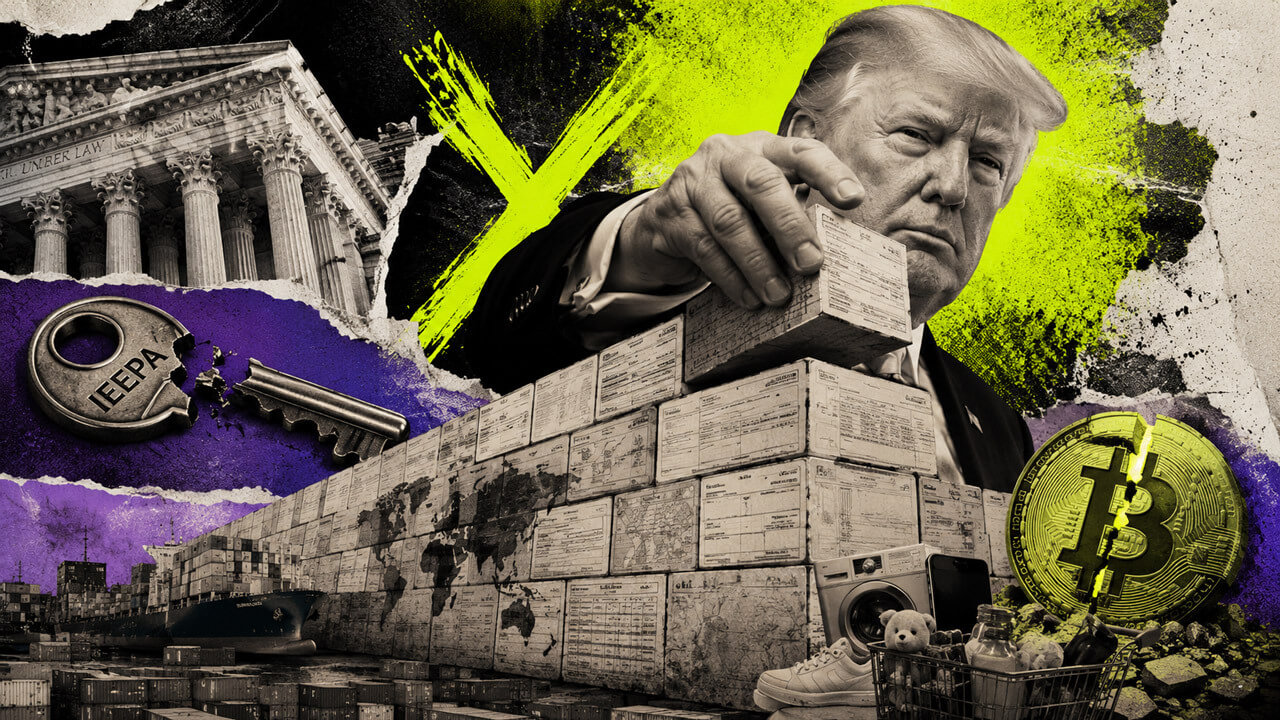
The Trump administration appears to be making tariffs a lasting part of U.S. trade policy, with more duties expected as it rebuilds a broad tariff barrier through existing trade laws. Rather than relying on slower or uncertain approaches, the White House is using established legal tools to move faster against trading partners and pressure them for concessions.
The latest tariff push is aimed at imports linked to forced labor and at products tied to excess industrial capacity around the world. That suggests the policy is being framed not only as a negotiating tactic, but also as a response to supply chain concerns and what the administration sees as unfair competitive pressure from overseas production.
Another clear goal is to encourage more manufacturing to return to the United States. By raising the cost of some imported goods, the administration is trying to make domestic production more attractive while signaling that companies may need to rethink where they source and build.
Taken together, the approach points to a more durable tariff strategy than a short-term bargaining move. With the administration showing a preference for quick action and established legal authority, businesses and trading partners are likely to face continuing uncertainty as additional Trump tariffs come into view.