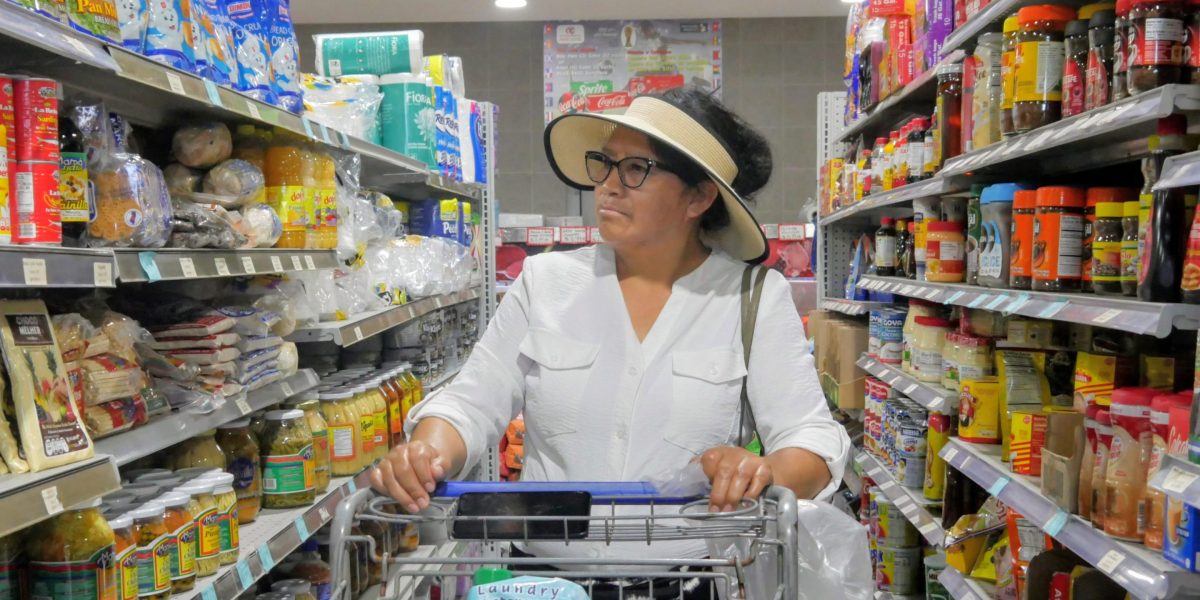
Economists have a phrase for the way U.S. grocery prices have behaved in recent years: “rockets and feathers.” The idea is simple: prices can shoot up quickly, like a rocket, but drift down much more slowly, like a feather. That pattern helps explain why many shoppers still feel squeezed at the supermarket even as overall inflation has cooled.
The issue is especially visible in food eaten at home, which surged in cost after the pandemic. While the pace of inflation has slowed, that does not mean prices are returning to earlier levels. Instead, it often means they are still rising, just not as fast as before, leaving consumers frustrated that groceries are not getting noticeably cheaper.
This gap between slowing inflation and persistently high grocery bills has become a major part of the public conversation about the economy. For households, the distinction matters: lower inflation can sound like relief, but it may not translate into lower prices on everyday items. That disconnect can make official economic improvements feel out of step with what people see in stores.
The “rockets and feathers” concept captures that tension. In practical terms, economists use it to describe why grocery prices can react sharply on the way up and remain stubborn on the way down, extending the pressure on family budgets long after the worst of inflation appears to have passed.