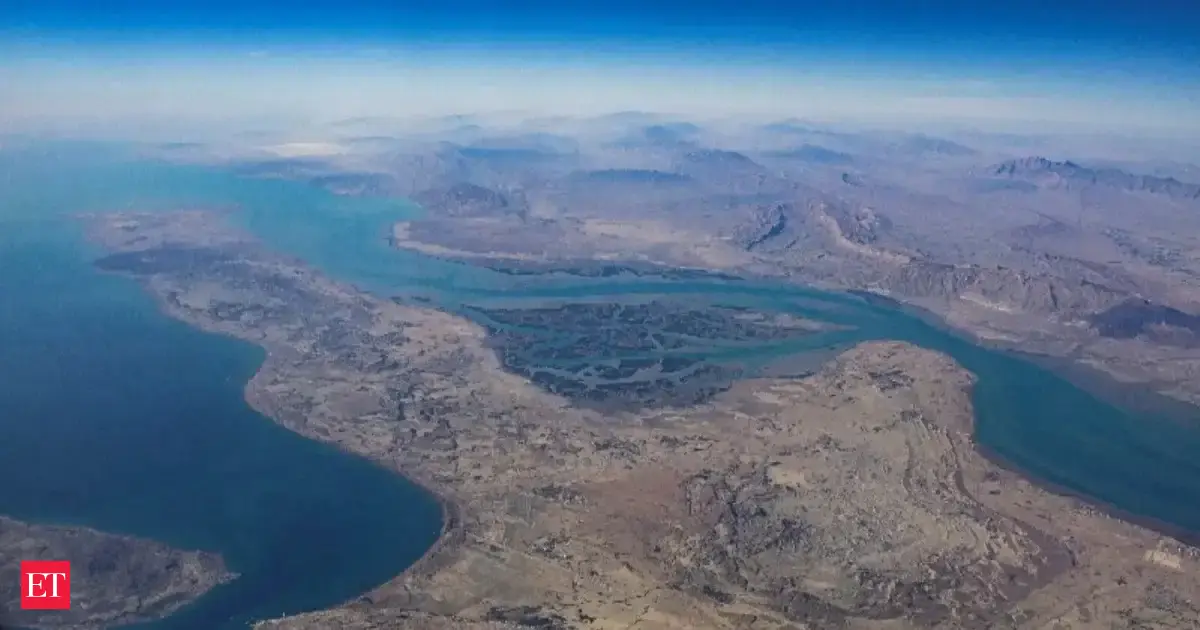
Iran is being portrayed as holding strategic leverage over the Strait of Hormuz, the narrow waterway long seen as one of the world’s most important oil chokepoints. The latest argument is that Tehran appears to have gained diplomatic and political pressure points in its standoff with Washington, even as the White House focuses on securing movement through a route that, according to the commentary, was not formally shut before the current conflict.
But the bigger energy story may be unfolding on land rather than at sea. Across West Asia, countries around Iran are spending heavily on pipeline systems designed to move crude and related supplies without relying so heavily on the strait. That shift could gradually weaken the strategic value of Hormuz as the default route for regional oil exports.
If those projects continue on schedule, forecasts suggest that by 2030 overland transport could rival or even surpass maritime flows through the strait. That would mark a significant change for energy markets, reducing the influence of a passage that has for decades shaped oil pricing, shipping risk and regional security calculations.
The result is a more complex oil landscape in West Asia. Iran may still be able to use Hormuz as a geopolitical pressure point in the near term, but the rapid buildout of alternative export networks suggests that its long-term leverage could face growing limits as the region’s energy map is redrawn.