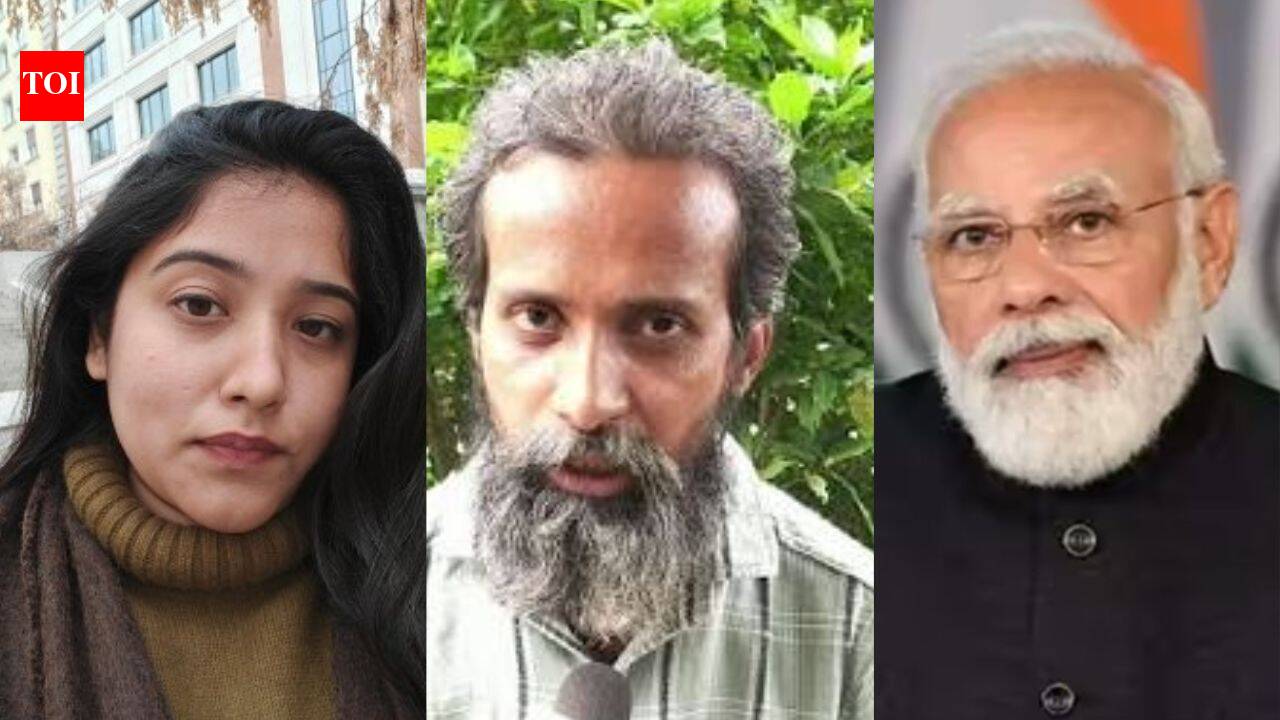
Dharmendra Pradhan’s resignation as Union education minister has become a wider political story than the loss of one cabinet face. The immediate trigger was a youth-driven protest linked to exam scandals, but the larger message is about the difference between electoral victory and day-to-day public legitimacy.
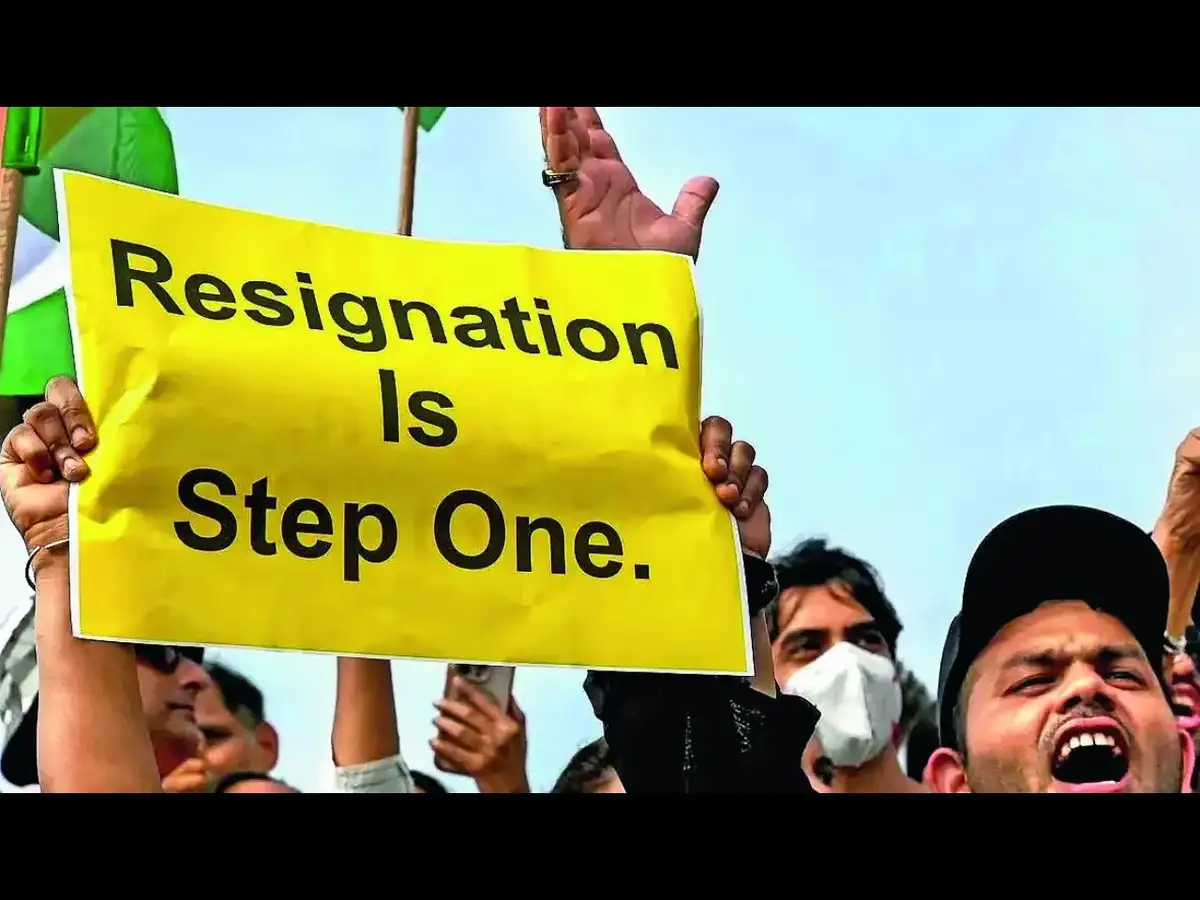
According to the account, the agitation did not begin as a traditional opposition campaign. It emerged from a mocking, internet-savvy movement known as the Cockroach Janta Party, which started in May and drew strength from students and young citizens angry about the handling of exam-related controversies. Its loose, leaderless character appears to have made it harder to contain or discredit.
That is why the episode matters beyond the education ministry. A government may hold a strong mandate at the ballot box, yet still find that authority weakens when citizens feel ignored between elections. In this case, the dissent came from a section of the public that was not easily answered by standard political messaging or by treating the protest as routine noise.
The broader lesson from July, then, is not simply that the Government of India lost a minister. It is that public authority has to be renewed constantly through trust, responsiveness and credibility. When those elements slip, even a movement that began with satire can force real political consequences.