A Michelin-starred chef in Seoul is facing charges after serving a sorbet topped with ants, drawing attention to an unusual corner of South Korean food law. The case is not centered on the idea of insects in cuisine alone, but on regulations that specifically prohibit ants from being used in food.
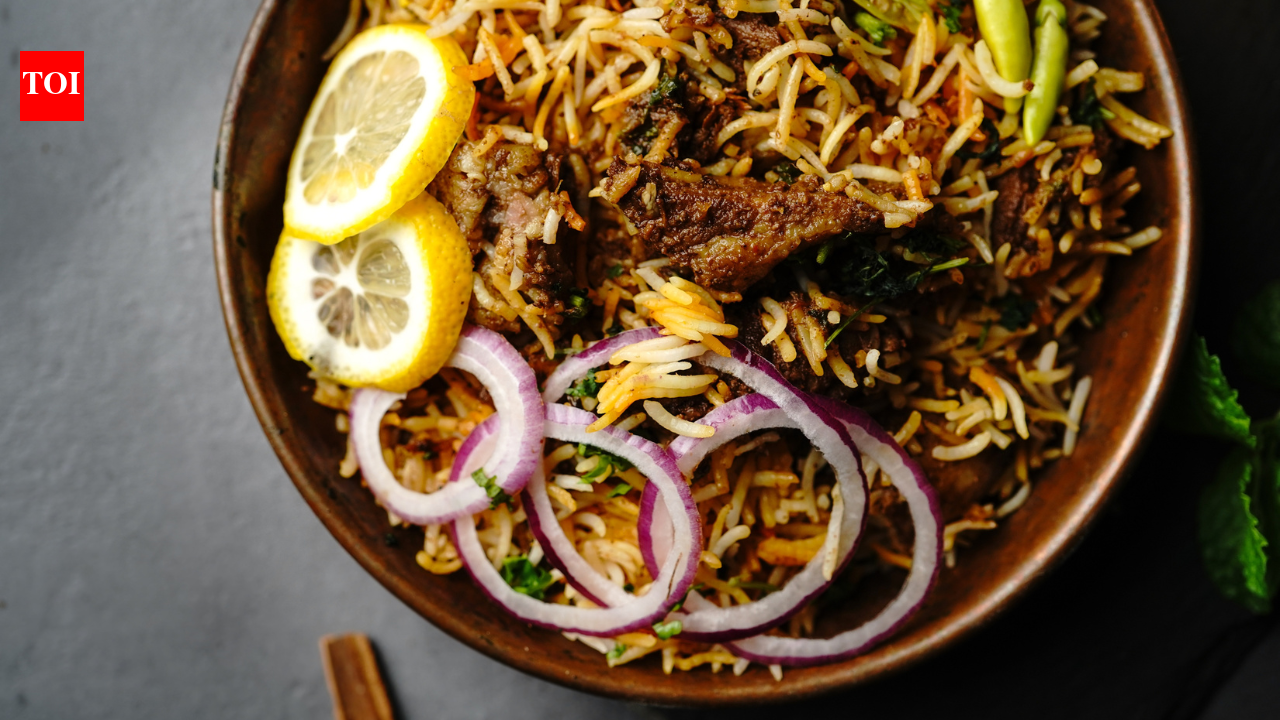
The controversy has surprised many because ants are part of established culinary traditions in some places. One example often cited is kai chutney from India, a dish known for using ants and praised for its distinctive taste. That contrast has turned the Seoul case into a wider discussion about how food rules can differ sharply from one country to another.
In South Korea, the legal issue appears to be straightforward: ants are not permitted ingredients under current rules. That means even in a fine-dining setting, and even when the ingredient is used in a small, creative way, the chef can still face prosecution if the dish violates food regulations.
The case has also reopened debate about the boundaries of experimental cooking. As chefs increasingly explore unusual ingredients, the dispute highlights the tension between culinary innovation, food safety oversight and cultural acceptance. For now, the ant-topped sorbet is serving as a reminder that what is considered a delicacy in one place can become a legal problem in another.