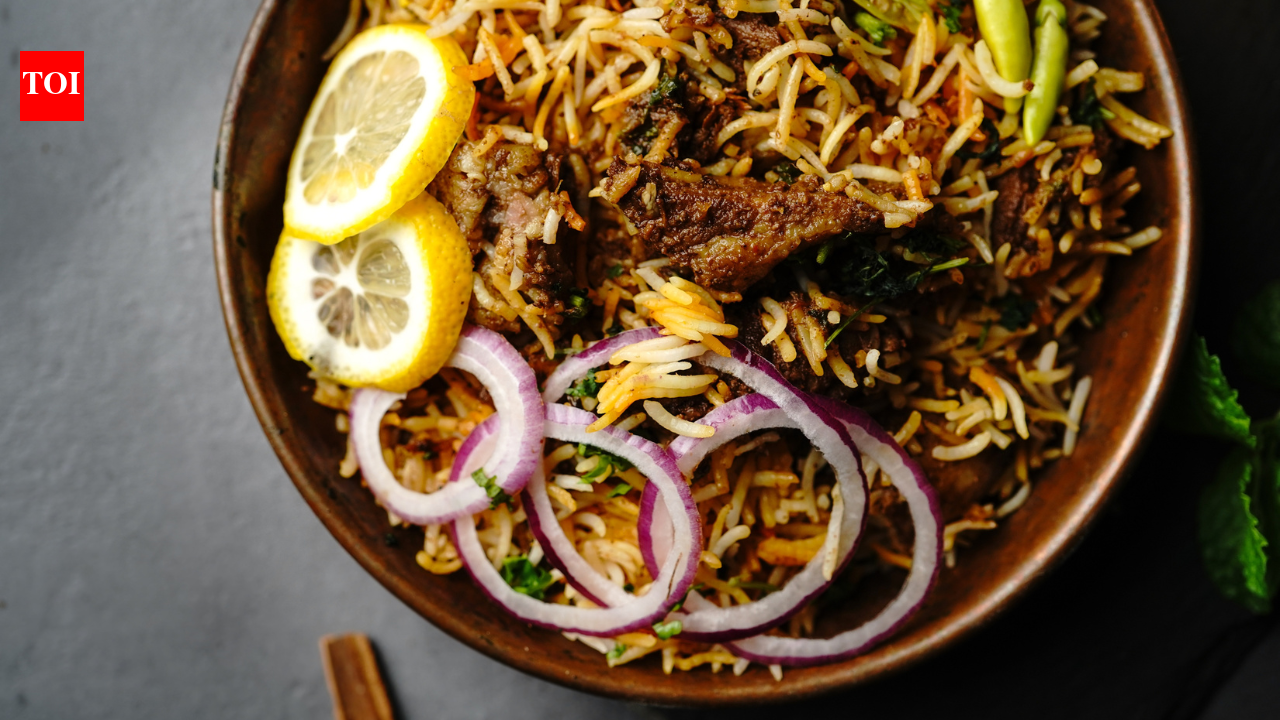
The question of which country invented biryani continues to spark debate, especially because the dish is so closely tied to India today. From the available history, the key point is that biryani did not remain fixed in one form. Instead, it evolved over time and became something new as it spread and took root in different regions.
What stands out most is how deeply biryani changed after reaching India. Rather than staying a single recipe, it developed into several distinct traditions shaped by local tastes, ingredients and cooking methods. That is why discussions about its origin are often more complex than naming one modern nation and ending the argument there.
Hyderabad is central to that story, with chefs known for refining kacchi biryani, in which raw marinated meat and rice are cooked together. Other cities gave the dish their own identity as well. Kolkata became known for its recognizable version that includes potato, while Lucknow is associated with the fragrant Awadhi style.
Taken together, these variations explain why biryani’s history remains so fascinating. Its roots may be traced beyond India, but its fame and many of its best-known forms were built on Indian soil. That mix of debated origin and powerful regional reinvention is what keeps biryani at the center of so many food conversations.