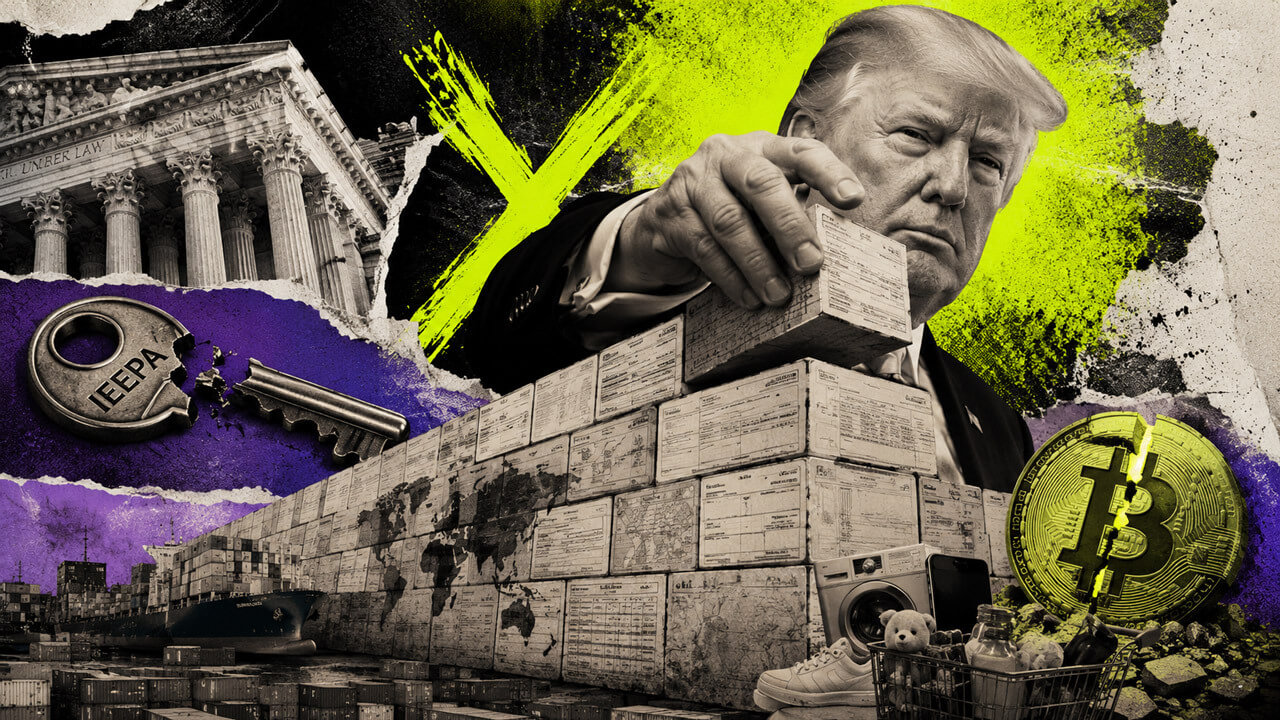
A Supreme Court ruling has disrupted Donald Trump’s effort to maintain a hardline U.S. tariff approach, narrowing the executive branch’s ability to rely on emergency powers for trade measures. The 6-3 decision struck down tariffs that had been based on the International Emergency Economic Powers Act, creating an immediate legal and political challenge for the administration.
According to the available report, the administration moved within hours to lean on other legal authorities as it tried to keep its tariff strategy intact. That quick pivot suggests officials were prepared for the possibility that the court would reject the IEEPA-based framework and were already considering alternative paths to preserve key parts of the policy.
The ruling could have effects well beyond the immediate dispute. By limiting how broadly a president can use executive authority to impose tariffs, the decision may force future trade actions to rest on narrower statutes or to seek stronger backing from Congress. That raises the prospect of legislative changes if Trump and his allies want to restore a more aggressive tariff regime on firmer legal footing.
In the longer term, the case may reshape how U.S. trade policy is built and defended. Even if the administration finds temporary workarounds, the court’s decision appears to set new boundaries around presidential tariff power, making trade policy more vulnerable to legal scrutiny and more dependent on lawmakers.