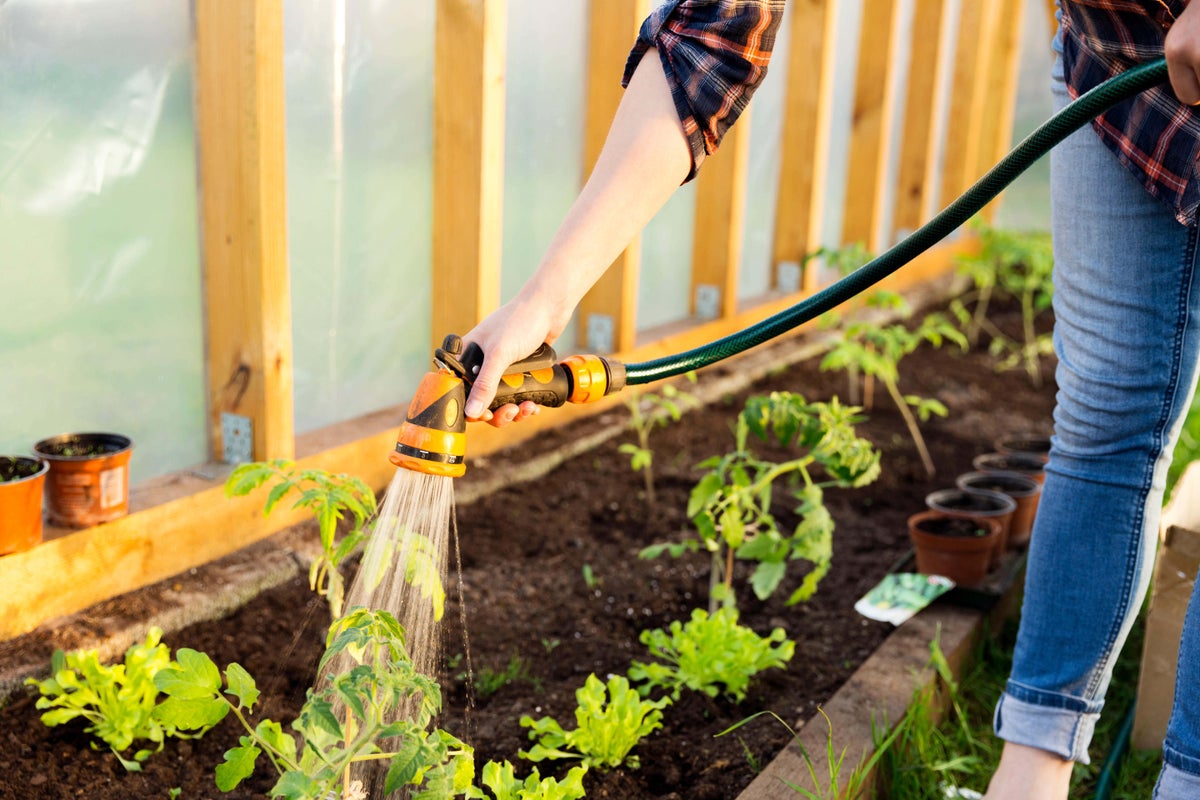
A hosepipe ban does not mean gardeners have to give up on keeping plants in good condition. The focus shifts from convenience to careful water use, with more attention on when, where and how moisture is delivered. Adapting a routine early can help gardens stay healthier through hot, dry periods.
One of the simplest changes is to water more selectively. Rather than soaking everything, gardeners can prioritise containers, young plants and anything showing signs of stress. Watering by hand also makes it easier to target roots instead of wetting paths, leaves or bare soil, which can reduce waste.
A hosepipe ban is also a good time to improve moisture retention. Mulch can help soil hold water for longer, while reducing evaporation around beds and borders. Trimming back unnecessary growth, removing weeds and avoiding unnecessary disturbance of dry soil can also help plants cope better in warm weather.
The broader message is that gardeners can still protect their outdoor spaces without relying on a hosepipe. Small adjustments such as timing watering carefully, using stored water where available and focusing effort on the most vulnerable plants can make a noticeable difference. In dry spells, a more efficient routine can be just as important as the amount of water used.