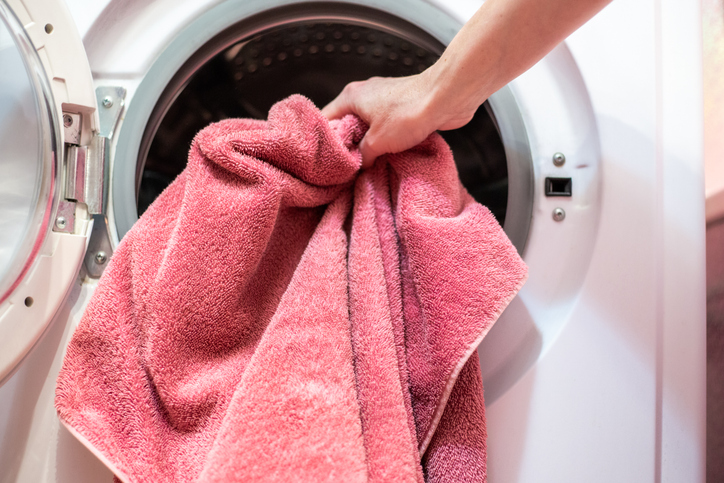
Appliance poverty is drawing attention to a hidden form of hardship affecting millions of people who do not have access to at least one essential household item. The issue goes beyond inconvenience, touching everyday basics that many people take for granted, including cooking, washing clothes and safely storing food or medicine.
According to the report, more than 4.8 million people are living without an essential appliance. That can mean preparing meals only in a microwave instead of using a proper cooker, depending on a neighbour to wash clothes, or being unable to keep vital medication refrigerated.
The problem highlights how a missing appliance can quickly become a wider health, hygiene and dignity issue. A lack of cold storage may put medicine and food at risk, while no washing machine can make it harder for families to manage work, school and daily routines.
The findings present appliance poverty as an often overlooked part of financial hardship. While it may be less visible than other forms of deprivation, the absence of basic household equipment can shape daily life in serious and lasting ways.