The ketogenic diet, a high-fat, very low-carbohydrate eating plan, has grown into one of the world’s most talked-about diets. First developed to help manage epilepsy, keto has since been studied for a wide range of health questions, including its possible role in cancer.
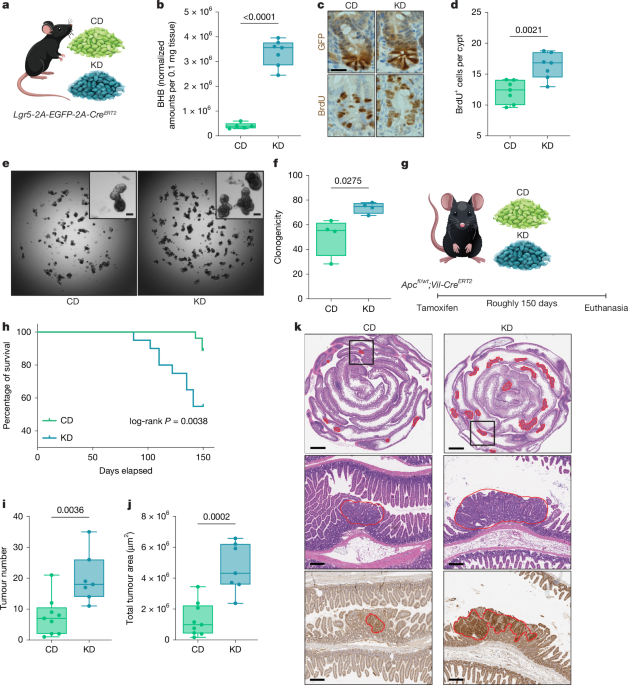
Now, a new study highlighted by ScienceAlert is challenging a popular theory surrounding the ketogenic diet and cancer. While keto has often been discussed as a way to alter how the body fuels itself, the new research raises doubts about whether that approach is always helpful.
The headline finding suggests researchers are rethinking a simple assumption: that cutting carbohydrates will necessarily work against cancer. Instead, the study points to a more complicated picture, one that may include situations where the diet could have unintended effects.
The findings add to a growing debate over how diet influences disease and why a one-size-fits-all view may not hold up in cancer research. As interest in keto remains high, the study underscores the need for careful investigation into when the diet may help, when it may not, and how its effects can vary.

:max_bytes(150000):strip_icc()/Losing-Just-80-Minutes-of-Sleep-Could-Cause-Weight-Gain-New-Study-Suggests-f3535d60b4fa45a0bcd2089e7224306d.jpg)