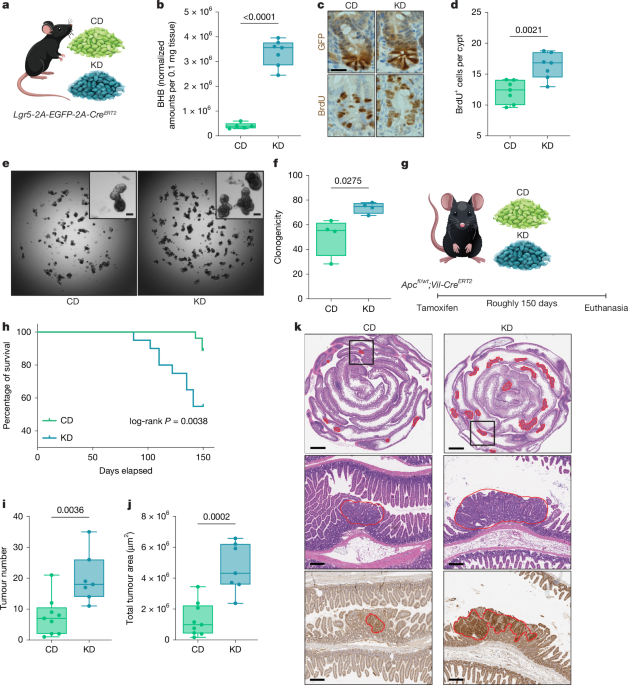
New research published in Nature examines how a ketogenic diet may influence intestinal tumor development, with results pointing to dietary fats rather than ketones as the main driver in mouse models. The study focuses on spontaneous intestinal adenoma formation and separates the effects of different metabolic pathways involved in ketosis.
According to the report summary, the researchers used a combination of experimental manipulations to distinguish between systemic ketogenesis, epithelial ketogenesis and the impact of dietary lipids. Their findings suggest that the tumor-promoting effect linked to a ketogenic diet in these models is mediated through lipids, not ketone production itself.
That distinction is important because ketogenic diets are typically defined by both high fat intake and increased ketone levels. By teasing apart those components, the study adds nuance to discussions about how metabolism and diet can shape intestinal tumorigenesis. It also highlights the need to look beyond ketones alone when evaluating the biological effects of keto-style eating patterns.
The work was carried out in mice, so the findings should be understood as preclinical rather than direct evidence about human cancer risk. Even so, the study adds to broader research on how dietary and metabolic changes can affect the intestine and the processes involved in tumor formation.





:max_bytes(150000):strip_icc()/7-Day-No-Sugar-Anti-Inflammatory-Meal-Plan-for-High-Blood-Pressure-Created-by-a-Dietitian-c6696d6705694753a894d727309a4e26.jpg)
