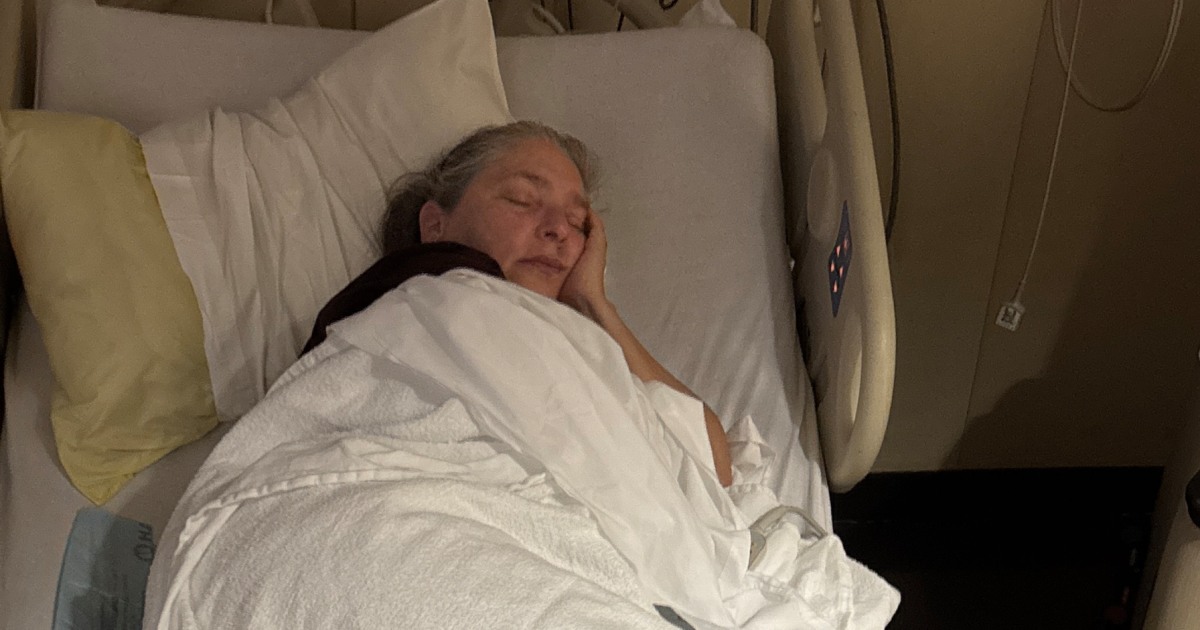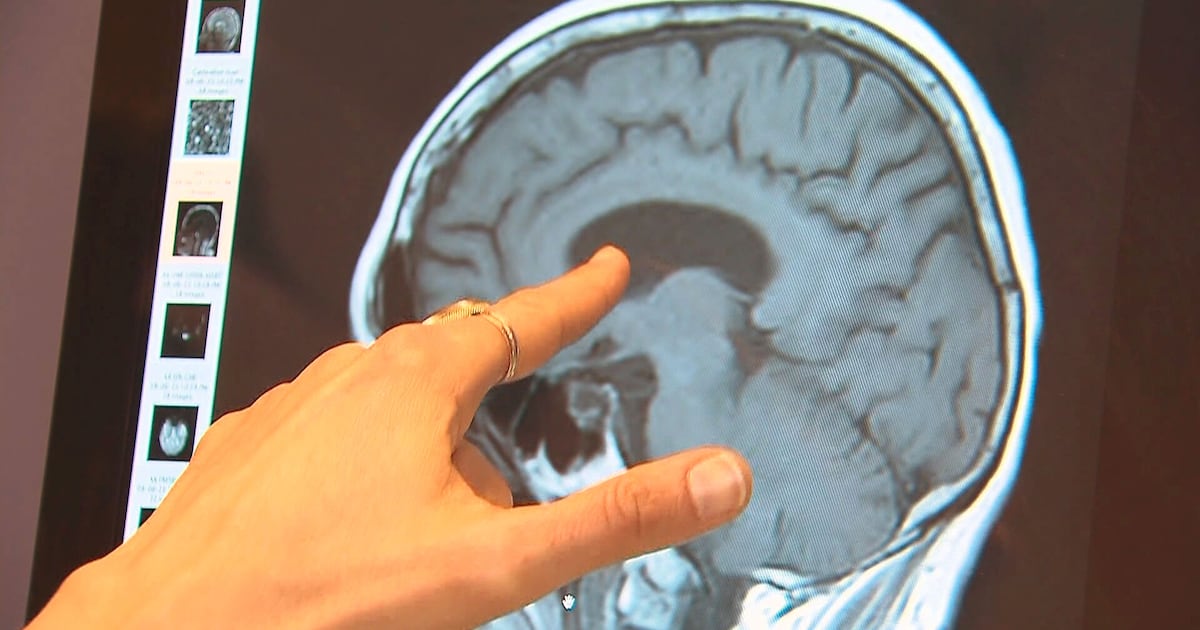
The World Health Organization says up to 45 per cent of dementia risk could be prevented or delayed by tackling factors that can be changed. The estimate highlights the potential impact of public health measures and personal risk reduction on one of the world’s most serious brain health challenges.
According to the WHO, modifiable risk factors linked to dementia include tobacco use and air pollution. By identifying risks that are not fixed, the agency is underscoring that some cases may be avoidable or postponed rather than inevitable.
The finding points to the broader role of prevention in dementia care. Efforts to reduce exposure to harmful environmental conditions and lower tobacco use could help cut risk at a population level while also supporting healthier aging.
The WHO’s message adds to growing attention on dementia prevention and early action. While not all dementia risk can be eliminated, the organization says a significant share may be reduced or delayed through changes that address known risk factors.


:max_bytes(150000):strip_icc()/7-Day-No-Sugar-Anti-Inflammatory-Meal-Plan-for-High-Blood-Pressure-Created-by-a-Dietitian-c6696d6705694753a894d727309a4e26.jpg)