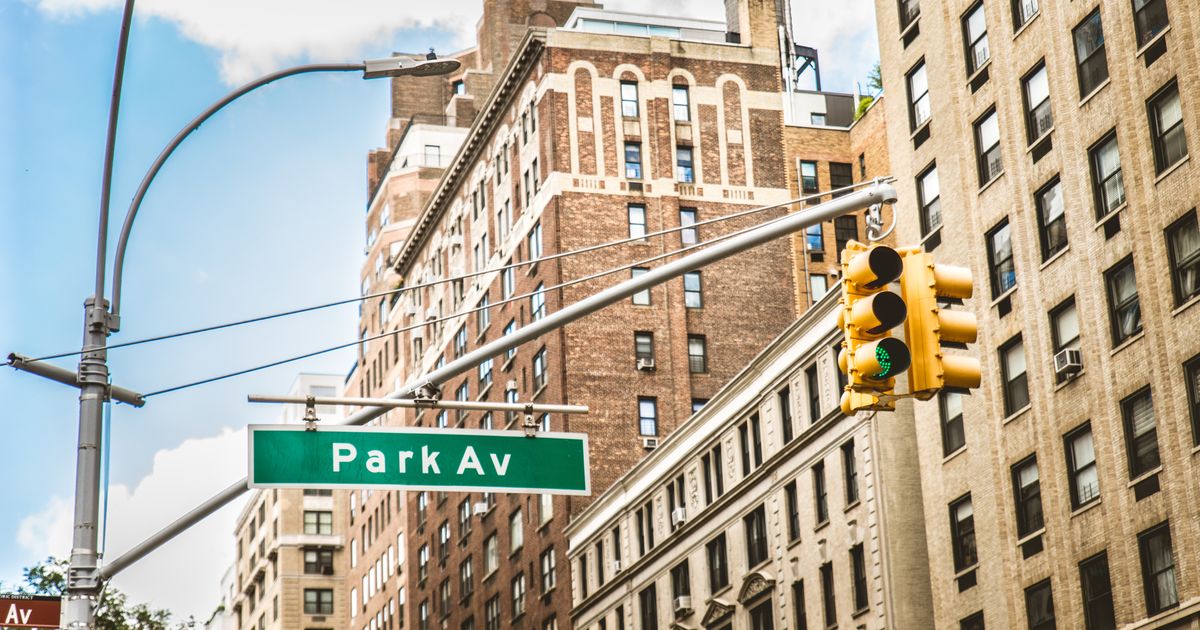
New York City residents are again paying close attention to Legionella after a recent cluster of Legionnaires’ disease cases on the Upper East Side. Concern grew further after the Guggenheim and the Metropolitan Museum of Art tested positive for Legionella, the bacteria linked to the illness.
Legionnaires’ disease is associated with inhaling contaminated water droplets rather than simply being near a building or drinking water in the usual way. That distinction is key to understanding the current concern: the presence of Legionella does not automatically mean a broad everyday danger to everyone passing by affected sites.
According to the expert guidance highlighted in the report, New Yorkers generally do not need to panic about normal tap-water use, and they likely do not need extreme protective measures such as wearing special gear while walking past the Met. The bigger issue is how Legionella can spread through certain water systems when bacteria become aerosolized.
The latest developments underscore why outbreaks in dense urban areas draw fast attention, especially in summer when building cooling systems and water infrastructure face heavier use. For residents trying to separate risk from anxiety, the main message is that Legionella is a real public-health concern, but one that depends on how exposure happens rather than simple proximity alone.